New Rare Disease Project ECHO® Workshop Sessions for Health Professionals

News

By popular demand, five additional Project ECHO® workshop sessions for health professionals have been announced. See the updated schedule and register to attend here.

Each session will cover a key skill for caring for people living with a rare disease. They will have an enhanced format that allows more time for practical case studies and discussion.

What is Rare Disease Project ECHO®?

Project ECHO® is a free, innovative video conferencing model that connects providers to the multidisciplinary Rare Disease Awareness, Education, Support and Training (RArEST) Project team. Workshop sessions are designed to equip health professionals with the right knowledge, at the right place and the right time.

The RArEST Project is a collaboration between Rare Voices Australia, the University of New South Wales, the University of Western Australia and Macquarie University. Learn more about the RArEST Project on this website page.

How participating in Rare Disease Project ECHO® benefits your practice

“Taking part in the Rare Diseases ECHO has provided highly valuable insights into the lived experience of patients with a rare disease. It has been a great way to connect with health professionals in different fields. As a GP I feel better equipped to understand and support the needs of patients living with rare diseases from the primary setting”. – Dr Gemma Ossolinski

  • Clinical care: support with diagnosis and management of rare diseases in your practice.
  • Knowledge: learn about the resources available to you and your patients across a range of topics.

How your practice community benefits from your participation in Rare Disease Project ECHO®

  • Health: create and engage with a multidisciplinary network of like-minded care providers to support patients living with a rare disease and their carers/families.
  • Access: establish referral pathways across Australia to reach subject matter experts for rare diseases. Gain access to a range of rare disease focused resources and training designed for health professionals.

Time commitment and cost

There are no costs involved. All sessions are delivered online via Zoom – see the schedule.

Format of sessions

To protect the privacy of patients featured in case studies, these sessions are not recorded. Joining live also maximises your opportunities to build relationships with other health professionals across Australia.

Continuing professional development (CPD) points

Many health professionals can use these sessions towards self-identified continuing professional development requirements.

These sessions are pending RACGP approval for 5 CPD Approved Activity hours.

How to join Rare Disease Project ECHO®

Register to attend the series.

Please email the RArEST Project team with any queries you may have about Project ECHO® or the RArEST Project: [email protected]

Schedule: Rare Disease Project ECHO® Workshop Sessions

Speakers will be confirmed soon.

Session DateWASANTQLDNSW/VIC/ACT/TAS
Supporting patients before, during and after a rare disease diagnosisThursday, 27 July 20235-6pm6:30-7:30pm6:30-7:30pm7pm-8pm7pm-8pm
Rare disease patient communication and empowermentThursday, 24 August 20235-6pm6:30-7:30pm6:30-7:30pm7pm-8pm7pm-8pm
Supporting the whole family of people living with a rare diseaseThursday, 28 September 20235-6pm6:30-7:30pm6:30-7:30pm7pm-8pm7pm-8pm
Coordinating and connecting care for people living with a rare diseaseThursday, 26 October 20234-5pm6:30-7:30pm5:30-6:30pm6pm-7pm7pm-8pm
Innovative approaches to rare disease prevention and careThursday, 23 November 20234-5pm6:30-7:30pm5:30-6:30pm6pm-7pm7pm-8pm

RVA Education: Applying Mental Health First Aid in a Rare Disease Context

RVA News

In 2022, Rare Voices Australia (RVA) partnered with Mental Health First Aid (MHFA) Australia to commence work on a mental health and wellbeing project, based on recommendations in the Australian Government’s National Strategic Action Plan for Rare Diseases. Go to this article on RVA’s website for more information. RVA has continued this work in 2023 with opportunities for RVA Partner groups/organisations to participate in Youth MHFA, and Aboriginal and Torres Strait Islander MHFA training. Personnel from 62 rare disease groups/organisations completed the MHFA training in 2022. This work is part of the Rare Disease Awareness, Education, Support, and Training (RArEST) Project.

To complement this mental health and wellbeing project, and to assist those working with the rare disease community with MHFA, RVA has developed Applying Mental Health First Aid in a Rare Disease Context as a companion resource. Enrol in the course via RVA’s Online Education Portal. You will need to register via this page if you haven’t already registered on the site. Enrolment is open to all stakeholders.

‘Applying Mental Health First Aid in a Rare Disease Context’

MHFA training is not specific to the rare disease experience. The Applying Mental Health First Aid in a Rare Disease Context companion resource focuses on:

  • Understanding mental health and wellbeing in the rare disease context.
  • Applying MHFA in the rare disease community, including promoting awareness of available resources and referral pathways.
  • The role of rare disease groups/organisations in supporting the mental health of personnel and communities.
  • Self-care and support for employees and volunteers working in rare disease groups/organisations who are providing support to others.

Limitations of this companion resource

Important: Applying Mental Health First Aid in a Rare Disease Context is intended to be used in conjunction with the formal training and accreditation provided by MHFA Australia. This resource does not provide advice or recommendations on mental health and wellbeing. Individuals are encouraged to consult with relevant health professionals when accessing or utilising mental health and wellbeing resources. For immediate mental health assistance, visit the Head to Health website.

How to access the course

This training is available to all stakeholders. Access the course via RVA’s Online Education Portal. If you haven’t already, you’ll need to register on the site to enrol in the course.

Acknowledgements

This companion resource was developed as part of the RArEST Project with funding from the Australian Government.

Information presented in this course was developed in consultation with people living with a rare disease. RVA and the RArEST Project team would like to acknowledge and thank those who have contributed. Sincere thanks to the RArEST Project professional advisory group and the following organisations:

‘Hope in Clinical Trials: Advancing Research for Rare Diseases’: Parliamentary Friends of People with Rare and Undiagnosed Diseases – Western Australia

News

Rare Voices Australia (RVA) was pleased to contribute to a Parliamentary Event on 19 May hosted by the Parliamentary Friends of People with Rare and Undiagnosed Diseases (Parliamentary Friends Group) in Western Australia (WA), in collaboration with the Rare Care Clinical Centre of Expertise for Rare and Undiagnosed Diseases. The event, Hope in Clinical Trials: Advancing Research for Rare Diseases, marked Clinical Trials Day, which occurred on 20 May. RVA’s Chief Executive Officer, Nicole Millis; Director, Kane Blackman; Scientific and Medical Advisory Committee member, Clin/Prof Gareth Baynam; Education Project Officer, Jess Brooklyn; and RVA Ambassador Andrew Bannister were pleased to attend.

Clinical trials and the National Strategic Action Plan for Rare Diseases

The Australian Government’s National Strategic Action Plan for Rare Diseases (the Action Plan) acknowledges that for many people living with a rare disease, participation in a clinical trial may be the only way to access treatment. Additionally, the Action Plan highlights the need for investment into clinical trials.

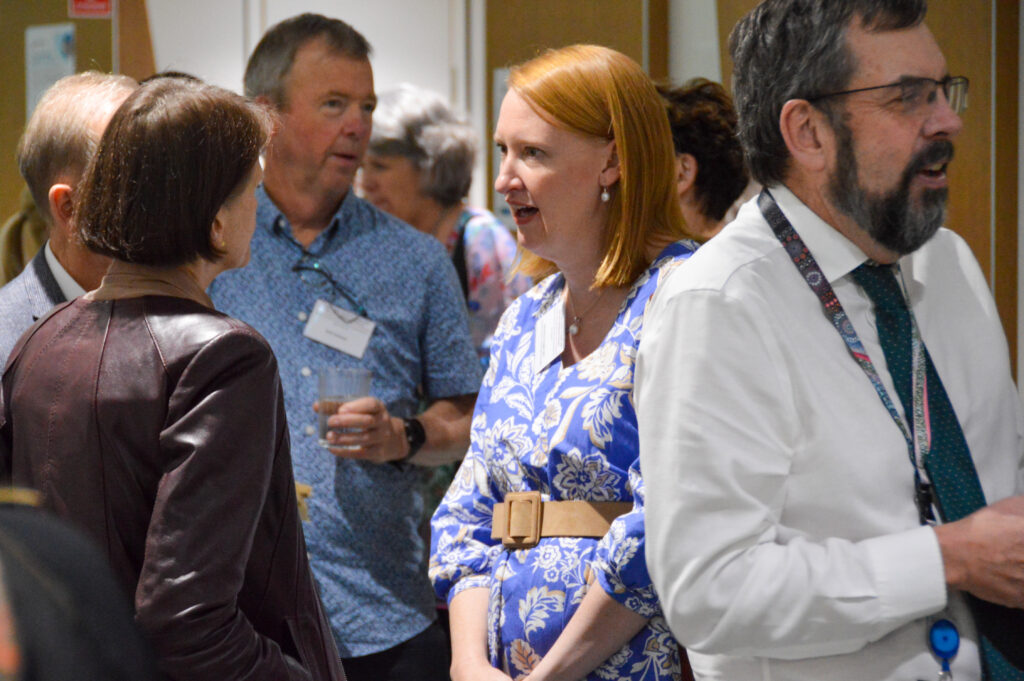
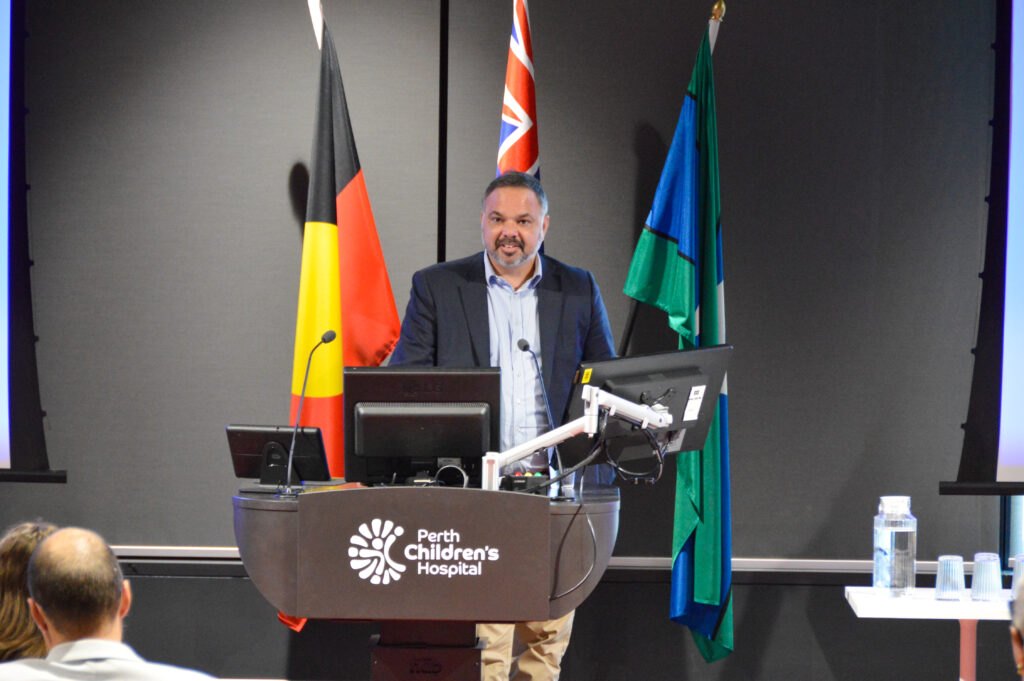
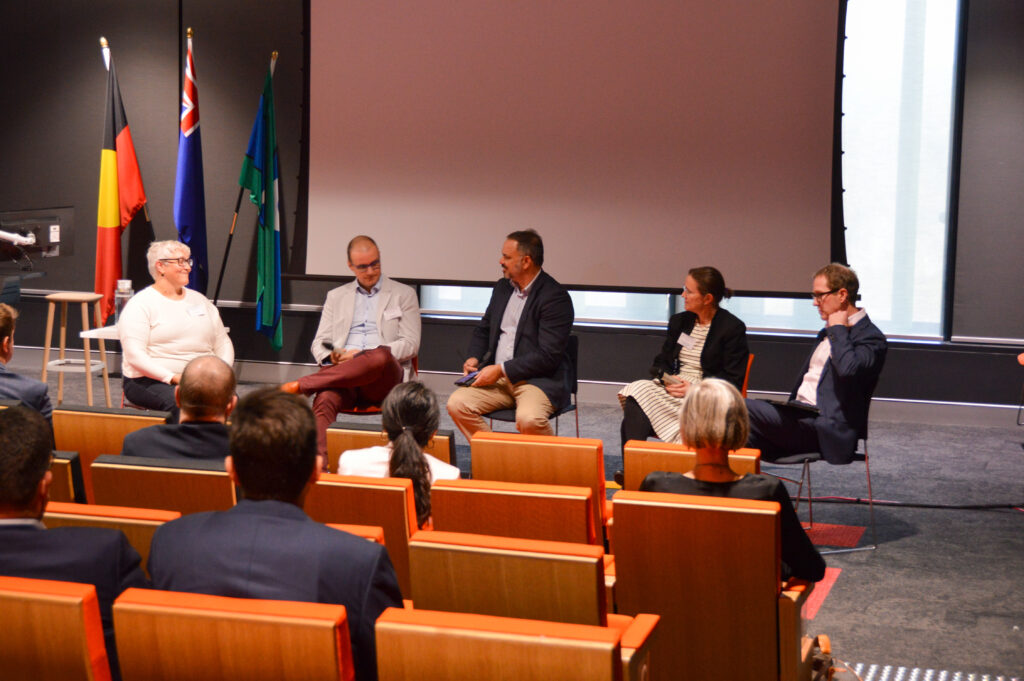
Images courtesy of Child and Adolescent Health Service

‘Hope in Clinical Trials: Advancing Research for Rare Diseases’

Nicole was pleased to emphasise the urgent need for investment and collaboration to develop clinical trial infrastructure. Clin/Prof Baynam spoke about rare diseases and clinical trials, underlining that there is currently limited access to clinical trials for children with a rare disease in WA. Attendees also heard from professional and lived experience experts who spoke on a panel session, which consisted of Kane whose son Finn lives with Angelman syndrome; Caroline Fitzpatrick, the mother of a child with a rare disease who could access a clinical trial interstate; Professor Merrilee Needham and Jayden Rogers.

RVA thanks Co-Convenors of the Parliamentary Friends Group, the Hon Matt Swinbourn MLC, the Hon Donna Faragher MLC and the Hon Stephen Pratt MLC, for their ongoing support of the rare disease community. We also thank the stakeholders who attended for their support of the estimated two million Australians living with a rare disease.

Why are Parliamentary Events important?

Parliamentary Events provide stakeholders, including people living with a rare disease, with the opportunity to meet and speak with politicians to further highlight rare diseases and mark important days such as Clinical Trials Day.

RVA Education: Facebook Groups and Social Media Risk Training for Rare Disease Organisations

RVA News

Social media can be a powerful tool for rare disease groups/organisations. It gives small, geographically dispersed rare disease communities cost-effective ways to connect, share stories and information, and access practical and social support.

  • Are you a rare disease group/organisation leader or team member using social media to build community engagement?
  • Would you like to establish a trusted, credible, legally compliant and safe online space for your community?
  • Are you an admin or a moderator of a rare disease Facebook group(s)?
  • Would you like to strengthen your online community, maximise your group’s/organisation’s online presence and create positive and valued engagement?
  • Would you like to better understand your obligations and manage risks associated with moderating online communities?

If you answered yes to any of the above questions, Quiip’s Facebook Groups and Social Media Risk Training for Rare Disease Organisations is for you.

This training has been customised specifically for RVA Partner groups/organisations by Quiip, specialists in online community building and social media. The training recognises the sensitivity and complexity of the work rare disease groups/organisations do and provides targeted guidance to help leverage social media while managing potential risk for groups/organisations and individuals.

Quiip has a deep understanding of the challenges and opportunities of using social media. They have worked extensively with diverse not-for-profit groups, empowering them to make a meaningful impact through social media.

Note: this training is available to RVA Partners only. Learn more about becoming an RVA Partner on this page.

Facebook Groups and Social Media Risk Training for Rare Disease Organisations

The course consists of three modules:

Module 1: Course Overview

Module 2: Building Successful Facebook Groups

  • Building Online Communities
  • Defining and Establishing Your Community
  • Setting Up Your Facebook Group
  • Understanding Your Community Members
  • Moderating the Community
  • Challenges and Opportunities When Building Online Communities

Module 3: Social Media, Risk and Governance

  • Types of Risk
  • Managing Risk
  • Moderation Framework
  • Risk and Response Matrix
  • Risk Scenarios
  • Managing Medical and Health Related Risks
  • Managing Misinformation
  • Course Reflection and Evaluation

The course takes approximately 4-5 hours to complete and is self-paced.

How to access the course

This training is available to RVA Partners only. Learn more about becoming an RVA Partner on this page.

RVA Partners can access this course via RVA’s Online Education Portal. If you haven’t already, you’ll need to register on the site to enrol in the course.

Acknowledgements

Facebook Groups and Social Media Risk Training for Rare Disease Organisations has been developed for the rare disease community by Quiip with funding from RVA’s Education and Mentorship Program. We thank program sponsors BioMarin, Pfizer and Sanofi for their support.

RVA Education Webinar – ‘Expanding Newborn Bloodspot Screening: Progress Made and Next Steps’

RVA News

On 13 June 2023, the Department of Health and Aged Care updated its website to state they are “working with states and territories to expand Australia’s NBS programs, and make sure all babies born have access to the same screening.” This milestone agreement ensures timely and consistent screening and wrap around care. Read the media release issued on International Neonatal Screening Day from the Department of Health and Aged Care for more information about these changes. The findings from the Consultation Survey can also now be downloaded on the website.

In addition to listing conditions currently screened, moving forward, the website also lists the following for transparency:

  • Conditions not consistently screened for, agreed for implementation
  • Conditions currently under review, not currently screened for
  • Conditions identified for newborn bloodspot screening (NBS) technical advice

For the first time in 60 years, Australia has an agreed national list of NBS conditions and there is specific funding to achieve consistency across Australia. Additionally, these changes cement Australia as a world leader in NBS. As outlined in the Australian Government’s National Strategic Action Plan for Rare Diseases, early diagnosis is critical for better outcomes as it enables the best immediate treatment and care.

What This Means for the Rare Disease Community

Rare Voices Australia (RVA) welcomes this announcement as this marks the end of the NBS postcode lottery and enables children and families to access screening and vital specialist care. Previously, it has taken anywhere from 5 to 14 years for new conditions to be included for screening. As the national peak body for Australians living with a rare disease and as part of our Education Program, RVA is hosting a webinar to provide further detail about these changes and their impact on Australians living with a rare disease.

RVA Education Webinar – ‘Expanding Newborn Bloodspot Screening: Progress Made and Next Steps’

Webinar Details

Date: Wednesday 12 July 2023
Time: 10:30am – 12pm AEST

All are welcome to register. The webinar will consist of presentations and a Q&A session. The presentations will be recorded and uploaded to RVA’s Online Education Portal. The Q&A session will only be available to those attending live.

Submit Your Questions

You are welcome to submit your questions for consideration ahead of the webinar. Please email all questions to: [email protected]

Note: the Q&A session will only be available to those attending live.

The Webinar Will Cover:

  • Expanding NBS and the Australian Government’s objectives
  • Progress made regarding NBS
  • States/NBS programs’ perspectives
  • NBS public consultation/follow up consultation findings; actions taken; next steps and future-proofing screening
  • Reflections on NBS advocacy
  • The importance of these changes for Australians living with a rare disease

Presenters

Hon Mark Butler MP – Minister for Health and Aged Care

The Hon Mark Butler MP has been a Labor Member in the Federal Parliament since 2007 and is the Minister for Health and Aged Care. He served as the Member for Port Adelaide from 2007 – 2019 and after a federal redistribution, which saw the abolition of the seat of Port Adelaide, he was elected the Member for Hindmarsh.

The Minister served as Minister for Ageing and Australia’s first Minister for Mental Health in the Gillard Government. He has also held the ministries of Housing, Homelessness, Social Inclusion, Climate Change, Water and the Environment.

Before Minister Butler was elected to parliament, he worked for some of the most disadvantaged people in the community as an official with United Voice for over 15 years, including 11 years as State Secretary. Go to the Australian Labor Party’s website to read Minister Butler’s full biography.

Senator the Hon Anne Ruston – Shadow Minister for Health and Aged Care

Senator the Hon Anne Ruston has been a Senator since September 2012. She is currently the Shadow Minister for Health and Aged Care, Shadow Minister for Sport and Manager of Opposition Business in the Senate.

In July 2014, Senator Ruston was elected Senior Deputy Government Whip in the Senate and Chair of the Senate Environment and Communications Legislation Committee. She was also an active participant in the Rural and Regional Affairs and Transport Committee.

Senator Ruston was appointed Assistant Minister of Agriculture and Water Resources in September 2015. She was subsequently appointed as Assistant Minister for International Development and the Pacific in August 2018. Read Senator Ruston’s full biography via her website.

Dr Mike Freelander MP – Chair, Standing Committee on Health, Aged Care and Sport; and Co-Chair, Parliamentary Friends of Rare Diseases

Dr Mike Freelander is a local paediatrician who has dedicated his life’s work to making sure kids get the best start possible.

Dr Freelander completed his training at the Children’s Hospital in Camperdown and started his residency as a paediatrician at Campbelltown Hospital in 1984. Dr Freelander and his wife Sharon moved to the Macarthur region that same year, where they raised their six children. In 1990 Dr Freelander took on the role of Head of Paediatrics at Campbelltown Hospital.

Dr Freelander has seen how important it is that families in Macarthur have quality health care. He set up a practice in Campbelltown, and later in Camden, to make sure families could access health care in Macarthur, when and where they needed it. Read Dr Freelander’s full biography on the Australian Labor Party’s website.

Lisa Schofield PSM – First Assistant Secretary Cancer, Hearing and Chronic Conditions, Department of Health and Aged Care

Ms Lisa Schofield has been leading the Cancer, Hearing and Chronic Conditions Division as the First Assistant Secretary since August 2022. In this role, she manages the National Cancer Screening Programs and the Hearing Services Program, which she has done since February 2022. She also manages policy and projects for palliative care, cancer, newborn screening, chronic conditions and population screening.

Since joining Health in May 2020 until the end of 2021, Lisa managed the Health Economics and Research Division for a short time, responsible for the Medical Research Future Fund and health economic and data analysis, before establishing and managing the COVID-19 Vaccination Program. She drove the strategy and policy for consideration by the Australian Government and the states and territories, through the National Cabinet.

Lisa has almost 20 years’ experience working in the Australian Government where she has held policy leadership roles in health, offshore resources, innovation, and higher education.

Ms Schofield received her Public Service Medal in the Australia Day Honours List of 2021 for outstanding public service in the delivery of the treaty establishing maritime boundaries between Australia and Timor-Leste.

Dr Kevin Carpenter – Chief Executive Officer, Human Genetics Society of Australasia

Kevin Carpenter trained in Clinical Chemistry in Sheffield in the UK. He obtained an MSc from the University of Leeds and a PhD with the University of Sheffield, and entered the field of inborn errors of metabolism at Sheffield Children’s Hospital in the mid-1980s.

He was Principal Scientist at the NSW Biochemical Genetics Service from 1994 to 2017 and is currently the CEO of the Human Genetics Society of Australasia (HGSA). He is a past President of the HGSA, and a Founding Fellow of the Faculty of Science RCPA.

Nicole Millis – Chief Executive Officer, Rare Voices Australia

A qualified social worker, Nicole has both personal and professional experience in the rare disease sector. Nicole has engaged in rare disease advocacy since 2008 and has extensive experience regarding access to treatments. Since 2018, Nicole has held the role of consumer nominee on the Life Saving Drugs Program Expert Panel. Under Nicole’s guidance, RVA led the collaborative development of the National Strategic Action Plan for Rare Diseases, the first nationally coordinated effort to address rare diseases in Australia.

Host/Q&A Session Moderator

Louise Healy – Education and Advocacy Manager, Rare Voices Australia

Louise has extensive experience working as a consultant and coach in the corporate sector and has post graduate qualifications in psychology. Her connection with rare conditions began when her first child was born with a rare metabolic disorder. Louise has been involved in rare disease support and advocacy for over 10 years and she is the current Vice President of the Metabolic Dietary Disorders Association (MDDA). She has led successful advocacy campaigns for access to medicines and support programs for people with rare disorders of protein metabolism. Louise is a previous RVA Board member, current member of the Queensland Genomics Community Advisory Board and a founding board member of the Global Association for PKU.

Why Changes to Newborn Bloodspot Screening Are Important

NBS is an important program that supports the earliest possible diagnosis of some rare diseases. The rare disease community has been calling for increased equity, timeliness and consistency of screening for several years.

RVA has been highlighting the need for increased sustainability, equity, transparency and consistency of NBS through targeted and informed advocacy at both the Commonwealth and state levels. We will continue to work alongside all governments as they continue to expand NBS programs.

Grant Update: Rare and Complex Disease Telehealth Nurse Program

RVA News

Rare Voices Australia (RVA) is pleased to be the lead consortium partner on The Navigator Project, which has been named the recipient of the Rare and Complex Disease Telehealth Nurse Program grant. Read the Australian Government’s media release.

The funding of up to $2.48 million will support the estimated two million Australians living with a rare disease to navigate the health system, including via the assistance of telehealth nurses. This activity is scheduled to run over three years from mid 2023.

The Navigator Project and the National Strategic Action Plan for Rare Diseases

The Navigator Project addresses the specific criteria of the open competitive grant opportunity and responds to several needs, priorities, actions and implementation areas identified in the Australian Government’s National Strategic Action Plan for Rare Diseases (the Action Plan). Importantly, this work will accelerate progress towards achieving the Action Plan’s vision:

The best possible health and wellbeing outcomes for Australians living with a rare disease.1

The Navigator Project also responds to ongoing stakeholder feedback from various consultations and projects regarding the gap in equity for all Australians living with a rare disease. Equity of access is a foundation principle of the Action Plan. 1

Key aspects of The Navigator Project

Collaboration, sustainability, data collection and evaluation are key aspects of The Navigator Project, which sees RVA partnering with the Child and Adolescent Health Service Rare Care Clinical Centre of Expertise for Rare and Undiagnosed Diseases located at Perth Children’s Hospital and Sydney Children’s Hospitals Network. Both consortium partners will deliver the necessary expertise, experience and infrastructure required to support telehealth nurse services. RVA will also partner with three consumer-led rare and complex disease organisations currently providing an existing telehealth nurse service navigation program.

The Navigator Project will:

  • Deliver a much-needed navigation service, while identifying gaps and leveraging existing strengths in the system
  • Build service navigation capacity within both clinical and consumer-led services

With its strong focus on data collection and evaluation, The Navigator Project increases the potential for system improvement as the data collected will guide future government investment.

The Navigator Project has three core components:

  1. RARE Helpline
  2. Telehealth nurse service navigation trial sites
  3. Engagement with three consumer-led rare and complex disease organisations

1. RARE Helpline

Purpose: To provide service navigation support to Australians living with a rare disease.

Primarily staffed by appropriately trained agents, the RARE Helpline will provide timely access to information and answer key questions people living with a rare disease often face.

The RARE Helpline will:

  • Support people to connect with existing information that is reliable
  • Provide resources that respond to people’s specific needs
  • Help to increase people’s health literacy and engagement with care and support services
  • Assist in connecting people with existing health services and/or professionals where possible

The RARE Helpline will complement work already being undertaken on the Rare Awareness Rare Education (RARE) Portal for rare diseases.

2. Telehealth nurse service navigation trial sites

Purpose: To provide targeted nurse-led support for people with highly complex conditions or issues where information and access to services may be restricted or particularly challenging.

Rare diseases typically display high levels of symptom complexity and in some cases, navigating people to well defined care and support services is not possible. The two telehealth sites will be staffed by people with specialist rare disease expertise and experience, particularly in relation to working with several of the priority populations identified in the Action Plan:

  • Those with an undiagnosed rare disease
  • People living in regional, rural and remote areas
  • Aboriginal and Torres Strait Islander people
  • Those living with an intellectual disability

Embedding telehealth nurses within existing rare disease clinical services:

  • Increases clinical knowledge and influence within the health system
  • Provides important professional development opportunities for health professionals and those undertaking training
  • Encourages more effective coordinated care within the health system

3. Engagement with three consumer-led rare and complex disease organisations

Purpose: To contribute to The Navigator Project’s overall data collection and reporting.

RVA will engage with three consumer-led rare and complex disease organisations already providing disease-specific telehealth service navigation. Three organisations will receive funding through The Navigator Project for data collection, project reporting and advisory consultation. Selection criteria will be communicated across RVA’s public facing channels (website, social media and our monthly eNewsletter). Interested organisations will have the opportunity to lodge an Expression of Interest to detail their demonstrated expertise and experience with telehealth nurse service navigation.

Queries about The Navigator Project

Please direct all queries about The Navigator Project to: [email protected].

Reference

  1. Department of Health. National Strategic Action Plan for Rare Diseases. Canberra; 2020. 63 p. Available from: https://www.health.gov.au/sites/default/files/documents/2020/03/national-strategic-action-plan-for-rare-diseases.pdf

2023 Status Report: Implementing the National Strategic Action Plan for Rare Diseases

RVA News

The Australian Government’s National Strategic Action Plan for Rare Diseases (the Action Plan), launched in 2020, is the first nationally coordinated effort to address rare diseases in Australia.1 As the national peak body for Australians living with a rare disease, Rare Voices Australia (RVA) is leading the collaborative implementation of the Action Plan.

Between September and October 2022 and during February 2023, RVA conducted an activity scan—the first measure of Action Plan progress since its launch in 2020—inviting the rare disease sector to share their projects, initiatives and achievements. Preliminary findings were shared at the 2022 National Rare Disease Summit last November. A summary of the findings to date was shared with attendees at RVA’s 2023 Rare Disease Day Parliamentary Event in March. The full status report is now available at the link below.

This status report of Action Plan progress is a means of introspection for the whole sector. The results are intended to support all stakeholders to review and refine their approaches for the most effective and efficient path to early implementation of sustainable and systemic change across all pillars, priorities, actions and implementation steps.

Summary of findings and recommendations

The activity scan captured hundreds of activities aligning with Action Plan Pillars and Priorities. These activities were categorised according to 5 key elements of progress—Input, Activities or Processes, Outputs, Outcomes and Impact. The activities were also mapped to the 8 key themes in the Action Plan, developed by the rare disease sector for the rare disease sector, as descriptive indicators of progress. The results set a baseline for future measures of implementation progress, identify areas that need more attention and highlight strengths across the sector.

All governments must urgently invest in the rare disease sector. This should include investment in regular reviews of Action Plan progress to support iterative implementation plans for a responsive, dynamic, transformative and targeted approach.

The sector must be supported to collectively and continually:

  • prioritise gaps;
  • ensure activities address priorities across more than one Pillar;
  • translate input, activities and outputs into outcome and impact;
  • work towards systemic change and prioritisation of broader impact;
  • count rare diseases in Australia;
  • progress sustainable systems and workforce for all rare diseases;
  • ensure cross-system collaboration and partnerships;
  • facilitate early implementation;
  • address the specific needs of the priority populations identified in the Action Plan; and
  • foster a culture of evaluation.

Implementation of the Action Plan is the ongoing responsibility of all stakeholders, including all levels of government, the public and private health sectors, rare disease organisations, industry, researchers and the wider community. RVA remains committed to leading the collaborative implementation of the Action Plan and will continue to monitor and evaluate progress and steer the sector to the realisation of the collective vision for the best possible health and wellbeing outcomes for Australians living with a rare disease.

Downloads

Full Status Report
Summary

Reference

  1. Australian Government Department of Health. National Strategic Action Plan for Rare Diseases. Canberra; 2020. 63 p. Available From: https://www.health.gov.au/resources/publications/national-strategic-action-plan-for-rare-diseases

Rare Voices Australia Statement: 2023-24 Federal Budget

RVA News

On Tuesday 9 May, the Hon Dr Jim Chalmers MP (Treasurer of Australia) delivered the Albanese Government’s 2023-24 Federal Budget. Overall Australian Government spending on health, aged care and sport in 2023-24 is $137.6 billion.

As the national peak body for Australians living with a rare disease, Rare Voices Australia (RVA) attended the Department of Health and Aged Care’s Portfolio Briefing Webinar Presentation and Q&A on Wednesday 10 May. The webinar included the Hon Mark Butler MP (Minister for Health and Aged Care); the Hon Ged Kearney MP (Assistant Minister for Health and Aged Care); the Hon Emma McBride MP (Assistant Minister for Mental Health and Suicide Prevention and Assistant Minister for Rural and Regional Health); the Hon Anika Wells MP (Minister for Aged Care and Minister for Sport); and Senator the Hon Malarndirri McCarthy (Assistant Minister for Indigenous Australians and Assistant Minister for Indigenous Health). The session was facilitated by Prof Brendan Murphy AC, Secretary of the Department of Health and Aged Care.

RVA Statement: 2023-24 Federal Budget

RVA has highlighted some areas of the Federal Budget we believe are most relevant to the estimated two million Australians living with a rare disease and the rare disease sector. RVA’s work is non-disease specific and is based on the commonalities of rare disease. Our advocacy focuses on rare disease policy, processes and systems. We advocate for all rare disease communities and remain committed to ongoing work with all governments to progress the systemic implementation of the Australian Government’s National Strategic Action Plan for Rare Diseases.

Read RVA’s full 2023-24 Federal Budget Statement.

Health Technology Assessment Policy and Methods Review: Rare Disease Sector Webinar

RVA News

Equitable access to health technology is a key priority of the Australian Government’s National Strategic Action Plan for Rare Diseases (the Action Plan). Rare Voices Australia (RVA) and the rare disease sector have been actively advocating for reform that makes health technology assessment (HTA) for rare disease therapies more fit-for-purpose. Most recently, as the national peak body for Australians living with a rare disease, RVA has been advocating to ensure that consumers lead the co-design of an enhanced consumer engagement process and met with the HTA Policy and Methods Review Reference Committee to discuss this issue. You can read the communique that was released following two meetings, including the meeting with RVA.  

Health Technology Assessment Policy and Methods Review

The HTA Policy and Methods Review (the HTA Review) is being conducted by the Department of Health and Aged Care and is an opportunity to ensure Australia’s HTA policy is constantly improving under evaluation. Click here to read more about HTA; the Terms of Reference (TOR) for the HTA Review; RVA’s reflections on the TOR; and more.

Rare Disease Sector Webinar: Health Technology Assessment Policy and Methods Review

As part of RVA’s ongoing HTA advocacy, we encourage rare disease organisations/groups to participate in the HTA Review in ways that align with their capacity. To support this, we are running a webinar. 

Webinar Details:

Date: Monday, 8 May 2023
Time: 7pm-8:30pm AEST

All are welcome to register. The webinar will consist of presentations and a Q&A session. The presentations will be recorded and uploaded to RVA’s Online Education Portal. The Q&A session will only be available to those attending live.

Submit Your Questions

You are welcome to submit your questions for consideration ahead of the webinar. Please email all questions to: [email protected]

Note: the Q&A session will only be available to those attending live.

The Webinar Will Cover:

  • What is HTA?
  • What is the HTA Review and why is it being done?
  • How can consumers get involved in the HTA Review?
  • The information, evidence and input the HTA Policy and Methods Review Reference Committee are seeking from consumers
  • The enhanced consumer engagement process and an update on work already underway
  • HTA and rare disease therapies
  • Key messages aligned with the Action Plan

Presenters

Ann Single – HTA Policy and Methods Review Reference Committee

Ann Single is the Coordinator and an Advisory Committee Member of the Patient Voice Initiative (Australia) and internationally chairs the Health Technology Assessment international (HTAi) Patient and Citizen Involvement Interest Group (known as PCIG) whose 300 multi-stakeholder members in 43 countries work to improve patient involvement in health technology assessment (HTA). Her interest in patient knowledge and how decisions are made about what is funded in health systems began when she directed patient involvement and communication in Scotland’s first HTA body and later established involvement processes for the Scottish Medicines Consortium. She is co-editor of the first book in the field, Patient Involvement in Health Technology Assessment (2017). Ann recently accepted an invitation to serve as a patient representative on the Reference Committee for the Australian Government’s HTA Policy and Methods Review. She was a co-chair of the HTAi Annual Meeting scientific program committee in 2022 and will be a member of this and the Local Organising Committee for HTAi’s Annual Meeting in Adelaide in June 2023.

Jo Watson – Chair, HTA Consumer Consultative Committee

Jo Watson is Deputy Chair of the Pharmaceutical Benefits Advisory Committee (PBAC) and has been a consumer nominee on the PBAC since 2013. In 2021 she was appointed the Deputy Chair of the MBS Review Advisory Committee (MRAC) and is also Deputy Chair of the Board of Consumers Health Forum (CHF), the peak national health consumer organisation in Australia. Jo’s areas of interest include developing pathways for patient engagement in HTA, public health responses to infectious disease outbreaks, and capacity building for patient representatives and advocates. Jo has contributed to health policy reform and analysis in the areas of Communicable Diseases, the National Medicines Policy and PBS programs. Jo has been the Chair of the HTA Consumer Consultative Committee within the Office of Health Technology Assessment in the Department of Health since it was established in February 2017.

Nicole Millis – Chief Executive Officer, RVA

A qualified social worker, Nicole has both personal and professional experience in the rare disease sector. Nicole has engaged in rare disease advocacy since 2008 and has extensive experience regarding access to treatments. Since 2018, Nicole has held the role of consumer nominee on the Life Saving Drugs Program Expert Panel. Under Nicole’s guidance, RVA led the collaborative development of the National Strategic Action Plan for Rare Diseases, the first nationally coordinated effort to address rare diseases in Australia.

Host/Q&A Session Moderator

Louise Healy – Education and Advocacy Manager, RVA

Louise has extensive experience working as a consultant and coach in the corporate sector and has post graduate qualifications in psychology. Her connection with rare conditions began when her first child was born with a rare metabolic disorder. Louise has been involved in rare disease support and advocacy for over 10 years and she is the current Vice President of the Metabolic Dietary Disorders Association (MDDA). She has led successful advocacy campaigns for access to medicines and support programs for people with rare disorders of protein metabolism. Louise is a previous RVA Board member, current member of the Queensland Genomics Community Advisory Board and a founding board member of the Global Association for PKU.

RVA Partner Organisations/Groups

RVA offers mentoring for RVA Partner organisations/groups that wish to access customised guidance and support: [email protected]

Public Consultation 1 Commences: Health Technology Assessment (HTA) Policy and Methods Review

News

The Department of Health and Aged Care has advised that the first round of public consultation for the Health Technology Assessment (HTA) Policy and Methods Review (the HTA Review) is now open. Consultation 1 focuses on the objectives of the HTA Review set out in the Terms of Reference. Submissions are open until 6 June 2023.

More information about how to participate in Consultation 1 and making a submission is available via the Department of Health and Aged Care’s Consultation Hub. Information about the HTA Review is available via the HTA Review website, which has been updated to include:

  • A consultation overview outlining the planned consultation activities for the HTA Review
  • A Work Plan that includes the key work and milestones planned for the HTA Review

Rare Voices Australia (RVA) will be lodging a submission as the national peak body for Australians living with a rare disease.

RVA Education: Upcoming Webinar for RVA Partner Organisations

RVA is planning a webinar for RVA Partner organisations considering making a submission to the HTA Review. The webinar will cover:

  • The purpose and scope of the HTA Review
  • The relevance of the HTA Review to Australians living with a rare disease
  • Key messages that are important for HTA review of rare disease therapies now and into the future

There will be an opportunity to ask questions and share ideas. RVA will share more information, including the agenda and time/date for the webinar, as soon as possible.

Note: RVA Partner organisations can also reach out to RVA for customised mentorship support: [email protected]

Background Information

The Department of Health and Aged Care published the Terms of Reference for the HTA Review in March 2023. RVA was pleased to contribute to the TOR consultation as the national peak body for Australians living with a rare disease. In March, RVA published this article, which includes:

  • RVA’s reflections on the TOR
  • An explanation of health technology assessment (HTA)
  • How those interested can participate in the HTA Review
  • Resources to help stakeholders interested in preparing a submission

Why Is Health Technology Assessment Important in Rare Disease?

As noted in the Australian Government’s National Strategic Action Plan for Rare Diseases (the Action Plan), many different types of health technology are used in rare diseases, and many more are emerging. Equitable access to health technologies is an important issue for the rare disease community and is highlighted in the Action Plan:

Priority 2.4: Enable all Australians to have equitable access to the best available health technology.

Limited data is inherent in rare diseases. This creates uncertainties that present specific challenges for HTA processes.