Rare Disease Disability Project News: August 2025

RVA News

Below are the updates for the Rare Disease Disability Project for August 2025.

Stakeholder Reference Group

The Stakeholder Reference Group (SRG) has established the priorities for the first release of resources for the Rare Disease Disability Toolkit.  These resources will be available in December 2025 and will be hosted on RVA’s website.

Rare Disease Disability RVA Partner Project Grants

The second grant round for the Rare Disease Disability Project RVA Partner Grants will open on 18 September 2025 and close on 2 October 2025. Organisations must be RVA Partners to apply.  

Shortlisted grant recipients will be selected by the SRG, and projects can focus on tailored resources for the nationally codesigned Rare Disease Disability Project Toolkit or be standalone resources. Full details will be distributed to RVA Partner organisations and the Rare Disease Disability Network (RDDN). Three grants will be awarded as part of grant round 2.

Learn more about the RVA Partner Project Grants at this web page.

Virtual Kitchen Table Peer Support Sessions

The next virtual kitchen table peer support sessions will be held on 25 September. One session will be held for people living with rare disease disability and a separate session will be held for caregivers of people living with rare disease disability.

Session Details

Date: Thursday, 25 September 2025

Registration

Session for people living with rare disease disability (12pm – 1pm AEST)

Session for caregivers of people living with rare disease disability (8pm – 9pm AEST)

The topic for these sessions is, Self-care and rare disease disability: where do you go for help?

Come and share any hints and tips, ideas and learn from others and connect through this peer support session. Please send any questions you may have to: [email protected]

Note: If you are an RVA Partner representative, you are welcome to join the RDDN as these sessions are for the general public. Email RVA to join: [email protected]

Rare Disease Disability Network 

The RDDN met on 20 August bringing together 30 leaders from RVA Partner organisations to discuss the progress of the Rare Disease Disability Project and engage in disability reform discussions. The successful recipients from grant round 1 of the RVA Partner Project Grants (there are 2 rounds in total), Mito Foundation and Tuberous Sclerosis Australia, presented an overview of their projects to the RDDN. Disability reform discussions included presentations from the Department of Health, Disability and Ageing on NDIS New Framework Rules that are currently under development and the Department of Infrastructure, Transport, Regional Development, Communications, Sports and the Arts on co-designing the new Aviation Disability Standards. Learn more about the RDDN at RVA’s website. 

Rare Disease Disability Network Showcase

Planning is well underway for the end-of-year in-person RDDN Showcase on 2 December 2025 in Brisbane ahead of the International Day of People with Disability on 3 December. Invitations have been distributed to those invited. Attendance is by invitation only to ensure appropriate representation across the sector. The RDDN Showcase brings together leaders from rare disease groups/organisations and other invited sector stakeholders for the first time in person. Those invited must RSVP by Friday, 31 October to attend.

For the latest updates about the Rare Disease Disability Project, visit this web page

Rare Disease Disability Advocacy Update – August 2025

RVA News

Rare Voices Australia (RVA) has been engaging in several key disability initiatives throughout 2025 to advocate on behalf of Australians living with rare disease disability.

You can read about the Rare Disease Disability Project at RVA’s website. We are proudly delivering projects for the Peer Support and Capacity Building grant for the National Disability Insurance Scheme (NDIS). 

Political and Departmental Meetings

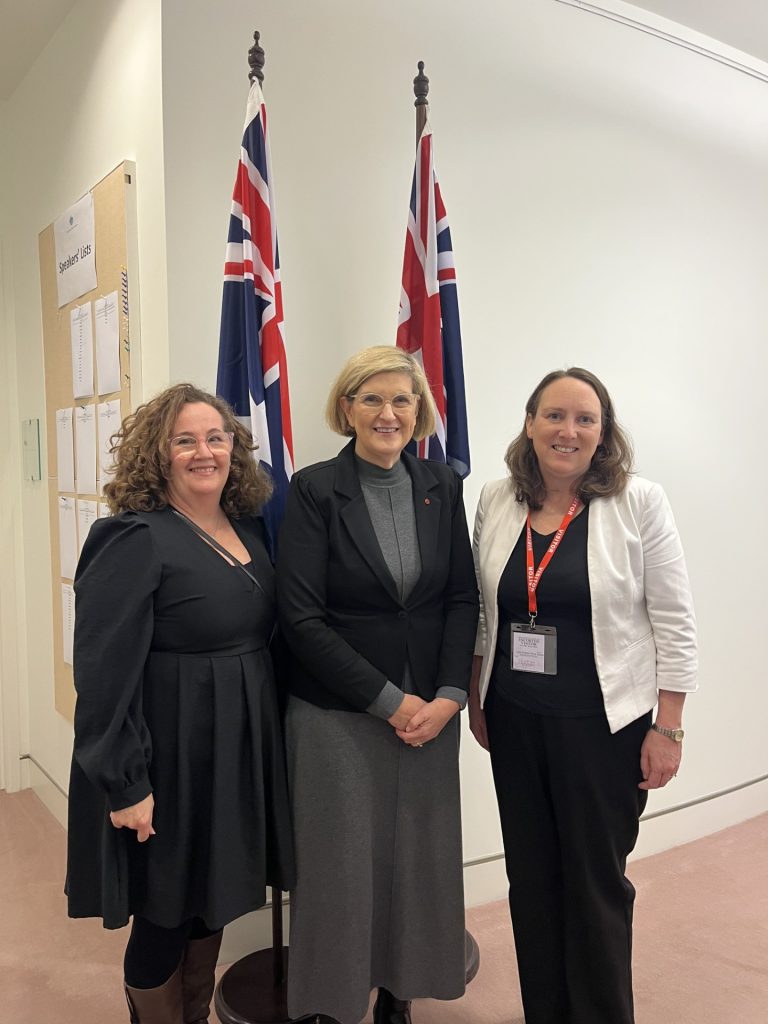
RVA’s Chief Executive Officer, Nicole Millis, and Louise Healy, our Education and Advocacy Manager, were in Canberra in August for several political and departmental meetings. They met with several rare disease disability-related parliamentarians and offices, including:

  • Senior advisers from the Hon Mark Butler MP’s office. Minister Butler is the Minister for Health and Ageing and Minister for Disability and the National Disability Insurance Scheme (NDIS)
  • An adviser from Senator the Hon Anne Ruston’s office. Senator Ruston is the Shadow Minister for Health and Aged Care and Shadow Minister for Disability and the NDIS
  • Senator the Hon Jenny McAllister, Minister for the NDIS
  • Dr Mike Freelander MP, Member for Macarthur and Chair of the Standing Committee on Health, Aged Care and Disability
  • Dr Monique Ryan MP, Member for Kooyong and Deputy Chair of the Standing Committee on Health, Aged Care and Disability
  • Senator Jordon Steele-John, Senator for Western Australia
  • Senator Wendy Askew, Senator for Tasmania

Nicole and Louise will also be meeting with Minister Butler in early September.

Aviation Disability Standards

RVA has been actively involved in the Australian Government’s codesign process for the new Aviation Disability Standards, led by the Department of Infrastructure, Transport, Regional Development, Communications and the Arts (the Department).

As the national peak body for Australians living with a rare disease, RVA continues to advocate for inclusive and equitable transport systems that reflect the diverse needs of people with rare disease disability. RVA joined people living with disability and peak disability organisations, including the Australian Federation of Disability Organisations (AFDO) and People with Disability Australia (PWDA), in the Aviation Disability Standards co-design workshops. These workshops consisted of two virtual sessions in July and August and an in-person workshop at Sydney Airport on 12 August 2025. RVA’s participation ensured that the lived experiences of people with rare disease disability are considered in shaping aviation policy and practice.

RVA was pleased that the Hon Catherine King MP, Minister for Infrastructure, Transport, Regional Development and Local Government, and Senator the Hon Jenny McAllister, Minister for the NDIS, also attended the Sydney workshop.

The Aviation Disability Standards aim to:

  • Eliminate barriers to air travel for people with disability
  • Introduce new requirements for staff training, wayfinding, and accessible information
  • Ensure airlines and airports coordinate services to support passengers with disability
  • Consider banning policies that limit the number of passengers needing assistance on a flight
  • Introduce passenger assistance profiles to streamline support

The Department will consult with airlines, airports, and industry bodies before launching a formal public consultation in late 2025. RVA will continue to engage with stakeholders and share updates as the process unfolds. For more information, visit the Department’s Aviation Accessibility page.

Disability Discrimination Act Review

RVA was pleased to participate in the Disability Discrimination Act (DDA) Review  consultation held in Brisbane on Thursday 28 August. Led by the Attorney-General’s Department and hosted by The Social Deck, the consultation brought together people with disability, advocates, and organisations to provide feedback on how the DDA can better protect and promote the rights of people with disability.

RVA’s involvement ensured that the perspectives of people living with rare disease disability were represented in discussions about legal protections and systemic reform. We thank the organisers for facilitating a collaborative and inclusive consultation process.

Queensland Disability Conference

RVA will attend the 2025 Queensland Disability Conference, Unlocking Potential: Reforms, Innovation and Inclusion, on Friday 29 August in Brisbane.

Hosted by the Queenslanders With Disability Network (QDN) and the Department of Families, Seniors, Disability Services and Child Safety, the conference is scheduled to be opened by the Hon Amanda Camm MP, Minister for Families, Seniors, and Disability Services and Minister for Child Safety and the Prevention of Domestic and Family Violence. The conference will feature discussions on disability rights and reforms, employment and social impact, and what disability inclusion looks like for the 2032 Olympics being held in Brisbane.

Human Genetics Society of Australasia 48th Annual Scientific Meeting: Rare Voices Australia Recap

RVA News

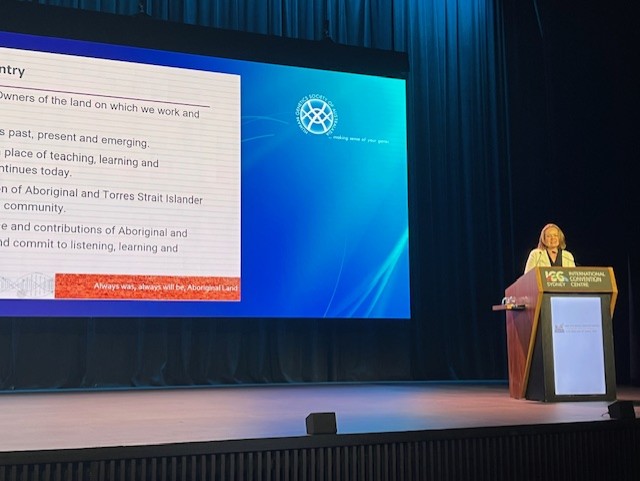
Between 14–18 August 2025, Rare Voices Australia (RVA) attended the 48th Annual Scientific Meeting of the Human Genetics Society of Australasia (HGSA) in Sydney. Genetic Ecosystems was this year’s theme.

RVA congratulates the HGSA leadership team and local organising committee for delivering a person-centred meeting, which opened with and continually highlighted the powerful voices of those with lived experience of rare disease.

We especially acknowledge the courage of our RVA Partners—Giovi Moschoudis, Founder and Chief Executive Officer of the Angelina Cask Neurological Research Foundation, and Mel Anderson, Director and Chair of Research Governance at PURA Foundation Australia—who shared deeply moving personal stories about the realities of living with a rare disease.

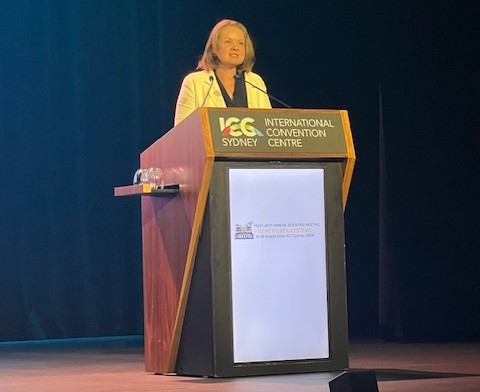
It was a privilege to witness Dr (Elizabeth) Emma Palmer, a member of RVA’s Scientific and Medical Advisory Committee (SMAC), deliver the 20th Sutherland Lecture, reflecting on her impressive career and impact. We congratulate Emma on this well-deserved honour and thank her for her ongoing work supporting Australians living with a rare disease. RVA also congratulates SMAC members Dr Paul Lacaze, who presented on DNA Screen, and Dr Jane Tiller, who shared updates on efforts to legislate a ban on genetic discrimination in life insurance underwriting.

The HGSA Annual Scientific Meeting and Special Interest Group sessions brought together high-calibre speakers from Australia, New Zealand, the United States and Asia. Key themes included:

  • The rapidly evolving landscape of newborn screening, with equity, trust and consistency as central priorities.
  • The expanding role of genomics in newborn screening and health, and the opportunities and challenges this presents.
  • The need to understand and address the diverse perspectives and needs of patients, families and communities.
  • The ethical, legal and social dimensions of integrating genomics into health systems.
  • The demonstrated value of undiagnosed disease programs for Australians.
  • The importance of carefully crafted policies to support safe and equitable implementation of genomics.
  • The emerging role of artificial intelligence in genomics and health.

The HGSA Annual Scientific Meeting highlighted both the extraordinary progress being made in genetics and genomics, and the importance of ensuring these advances are translated into care that is equitable, ethical and informed by lived experience.

Rare Disease Disability Project News: July 2025

RVA News

In June, RVA Partner organisations were invited to apply for funding for RVA Partner Project Grants as part of the work being undertaken for the Rare Disease Disability Project (the Project). RVA is proudly delivering projects for the Peer Support and Capacity Building grant for the NDIS. The Project is being guided by a Stakeholder Reference Group (SRG) comprising people with lived experience of rare disease disability and diverse representation. There are 2 grant rounds, 1 was in June 2025 and another is scheduled for September 2025. We received a high number of applications and thank the RVA Partners that took the time to apply. Applications were assessed on how well they aligned with grant objectives and deliverables. They were then ranked by the SRG.

Based on the SRG’s ranking, RVA has offered grants to 2 recipients: Mito Foundation and Tuberous Sclerosis Australia and are in the process of finalising both grant agreements. Mito Foundation’s application detailed the creation of simple, useful resources to help people with progressive conditions and their carers get the emotional and practical support they need as their condition worsens. Tuberous Sclerosis Australia’s application focused on a Sibling Support Program to build peer to peer support and increase capacity for families impacted by rare disease disability. We will update the RVA Partner Project Grants web page on RVA’s website with more information as this work progresses.

Stakeholder Reference Group

In August, the Stakeholder Reference Group will set priorities for the first stage of the nationally co-designed Rare Disease Disability Toolkit (the Toolkit).

Virtual Kitchen Table Peer Support Sessions

Virtual kitchen table peer support sessions were held on 24 July. Based on feedback, these sessions have been shortened to 1 hour and an evening session was added for caregivers of people living with rare disease disability. The conversations focused on people navigating the system and what’s working for them. The next sessions are being held on 25 September. Register at RVA’s website.

Who Are These Sessions For?

These sessions are for members of the general public living with rare disease disability or caring for people living with rare disease disability.

Note: Please do not register for these sessions if you are an RVA Partner representative. You are welcome to join the Rare Disease Disability Network (RDDN). Email RVA to join: [email protected]

Rare Disease Disability Network 

The next RDDN meeting will take place on 20 August. RDDN members will help to review and codesign the Toolkit resources, share feedback and continue ongoing discussions about disability reform. The RDDN is open to leaders from RVA Partner groups/organisations and other invited sector stakeholders. Learn more about the RDDN at RVA’s website.

Rare Disease Disability Network Showcase

Planning is well underway for the end-of-year in-person RDDN Showcase on 2 December 2025 in Brisbane. Attendance is by invitation only to ensure appropriate representation across the sector. Invitations will be distributed to those invited in August and will include more information, including the Agenda.

Published: Australia’s Top 10 Rare Disease Research Priorities

RVA News

The Kids Research Institute Australia (formerly the Telethon Kids Institute) and Rare Voices Australia (RVA) have published Australia’s Top 10 Rare Disease Research Priorities. The report presents the outcomes of the Rare Disease Research Priority Setting Partnership project, which adopted a modified James Lind Alliance research approach. The aim of this work was to establish Australia’s Top 10 Rare Disease Research Priorities based on what matters most to people living with a rare disease, including their parents, carers, health professionals, and other rare disease community representatives.

Guided by RVA’s Scientific and Medical Advisory Committee, this project aimed to progress Priority 3.2 of the Australian Government’s National Strategic Action Plan for Rare Diseases (the Action Plan), “Develop a national research strategy for rare diseases to foster, support and drive all types of research for rare diseases, contributing to agreed priorities and systematically addressing gaps”. The Action Plan is the first nationally coordinated effort to improve health and wellbeing outcomes for Australians living with a rare disease.

Why This Work Matters

Australia’s Top 10 Rare Disease Research Priorities provide an important foundation to inform and guide future rare disease research efforts. Progress across the Top 10 priorities will assist in the ongoing collaborative implementation of the Action Plan.

The Top 10 priorities present a timely opportunity to attract greater attention and investment from health and medical research funders, research institutions, policymakers and industry. They are a valuable resource for all rare disease stakeholders, including researchers, clinicians, health service planners, advocacy organisations and government.

Acknowledgements

Thank you to the rare disease community for your genuine interest in this work and to all who dedicated their time to participate and contribute. RVA would also like to acknowledge the Project Steering Committee and Project Advisory Group whose collective expertise, guidance and professional networks were key to the success of the project. 

Official Launch of Australia’s Top 10 Rare Disease Research Priorities

The first meeting for the new Australian Rare Disease Research Network (ARDRN) will take place on 18 September 2025 between 1pm and 2pm AEST. The ARDRN will be facilitated and chaired by RVA and SMAC members, Clin/Prof Gareth Baynam, Dr (Elizabeth) Emma Palmer and Dr Lisa Ewans. The virtual event will also mark the official launch of Australia’s Top 10 Rare Disease Research Priorities report. A discussion will be facilitated about the Top 10 priorities and the next possible best steps in terms of their implementation. All researchers are welcome to join the ARDRN. Learn more about the ARDRN and register via this web page.

Downloads

Download Australia’s Top 10 Rare Disease Research Priorities Report

Download Australia’s Top 10 Rare Disease Research Priorities

Invitation: Join the New Australian Rare Disease Research Network and Australia’s Top 10 Rare Disease Research Priorities Launch

RVA News

Rare Voices Australia (RVA) is facilitating the first meeting for the new Australian Rare Disease Research Network (ARDRN) on 18 September 2025 between 1pm and 2pm AEST. The virtual event will also mark the official launch of Australia’s Top 10 Rare Disease Research Priorities report. RVA will facilitate a discussion about the Top 10 priorities and the next possible best steps in terms of their implementation.

As the national peak body for Australians living with a rare disease, RVA engages with all rare disease stakeholders, including researchers. RVA already engages with Australian rare disease researchers through our Scientific and Medical Advisory Committee (SMAC) and RVA’s Research Partnerships Program.

Eligibility and Aims of the Australian Rare Disease Research Network

Facilitated and chaired by RVA and SMAC members, Clin/Prof Gareth Baynam, Dr (Elizabeth) Emma Palmer and Dr Lisa Ewans, the ARDRN aims to broaden RVA’s reach, bringing together a community of rare disease researchers across Australia. The ARDRN offers rare disease researchers a platform to connect and stay informed about the changing rare disease policy landscape, RVA’s advocacy priorities, and to align with the Australian Government’s National Strategic Action Plan for Rare Diseases—the first nationally coordinated effort to improve health and wellbeing outcomes for Australians living with a rare disease.

The ARDRN is open to all Australian-based researchers involved in rare disease research across diverse disciplines and career stages who are formally and directly affiliated with academic or research institutions. Members will be invited to meet virtually through periodic virtual forums and email correspondence driven by gaps, opportunities and emerging needs in rare disease research.

Vision for the Australian Rare Disease Research Network

As it evolves over time, we anticipate the ARDRN will encourage:

  • Increased Connectivity and Visibility
    A national community of rare disease researchers that is better connected, increasing visibility of rare disease research activity, expertise, and infrastructure across Australia.
  • Collective Collaboration
    A vehicle for knowledge exchange to share plans, findings, and strategic priorities to minimise duplication and promote potential partnerships.
  • Policy Focus
    A forum that facilitates research translation and alignment with the Action Plan, as well as other key Australian frameworks and global rare disease priorities.

Downloads

Australia’s Top 10 Rare Disease Research Priorities Report

Australia’s Top 10 Rare Disease Research Priorities

Registration

Register to join the ARDRN by completing the form below. Once registered, you’ll receive an invitation to the inaugural meeting and official launch of Australia’s Top 10 Rare Disease Research Priorities.

Communique: Long-Term Strategic Guidance of Australia’s Digital Health and Health Data Infrastructure

News

On 5 June 2025, RVA attended a workshop co-hosted by Research Australia and Digital Health CRC. The workshop brought together key stakeholders from across the health and medical data, research and innovation ecosystem, including government, academia, peak bodies, and industry. A brief overview of the workshop is available on Digital Health CRC’s website.

Rare Voices Australia’s Contribution

RVA provided input on behalf of Australians living with a rare disease at the workshop and to the draft Communique that was distributed post workshop. RVA endorsed the final Communique, which was published in July. RVA will now continue to be involved in the next steps to help progress this work, including reconvening with the group that attended the initial workshop to continue the conversation.

Rare Disease Disability Project News: June 2025

RVA News

As the national peak body for Australians living with a rare disease, Rare Voices Australia (RVA) is leading the Rare Disease Disability Project (the Project). We are proudly delivering projects for the Peer Support and Capacity Building grant for the National Disability Insurance Scheme (NDIS). This exciting, first-of-its kind 2-year Project will conclude in December 2026. Learn more about the Project at this web page.

Dedicated Rare Disease Disability Project Web Page

RVA has launched a dedicated web page on RVA’s website for the Rare Disease Disability Project to provide stakeholders with updates. Please continue checking RVA’s website for the latest updates.

Rare Disease Disability Virtual Kitchen Table Peer Support Sessions – Thursday, 24 July 2025

The next rare disease disability virtual kitchen table peer support sessions will be held on Thursday, 24 July. One session will be held for people living with rare disease disability and a separate session will be held for caregivers of people living with rare disease disability. 

Registration Links

Session for people living with rare disease disability  (12pm – 1pm AEST) 

Session for caregivers of people living with rare disease disability  (8pm – 9pm AEST) 

Who Are These Sessions For?

These sessions are for members of the general public living with rare disease disability or caring for people living with rare disease disability.

The topic for these sessions is Navigating the system – what’s working for you? 

Come and share any hints and tips, ideas and learn from others and connect through this peer support session.

Note: Please do not register for these sessions if you are an RVA Partner representative. You are welcome to join the Rare Disease Disability Network (email RVA: [email protected])

Rare Disease Disability RVA Partner Project Grants

RVA Partner organisations have been invited to apply for funding as part of the first round of Rare Disease Disability RVA Partner Project Grants. There will be 2 grant rounds, 1 in June 2025 and another in October 2025. Shortlisted grant recipients will be selected by the Stakeholder Reference Group (SRG), which is guiding the Rare Disease Disability Project. 5 grants in total are available to fund projects related to rare disease disability. Projects can focus on tailored resources for the Rare Disease Disability Project Toolkit or be standalone resources. RVA has developed Grant Guidelines, which include information about the Selection Criteria and the process for shortlisting applications for consideration by the SRG. 2 grants will be awarded as part of grant round 1. Organisations must be RVA Partners to apply.

Next Stakeholder Reference Group Meeting

The SRG will meet on 17 July 2025 to select the grant recipients from round 1 of the Rare Disease Disability RVA Partner Project Grants. The SRG will also set priorities for stage 1 of the nationally co-designed Rare Disease Disability Toolkit at this meeting.

Rare Disease Disability Network

The Rare Disease Disability Network (RDDN) met on 25 June. 25 leaders from RVA Partner organisations came together to discuss the progress of the Rare Disease Disability Project and participated in a rare disease specific consultation on the National Disability Insurance Scheme (NDIS) Supports rules led by the Department of Social Services’ (DSS) NDIS Governance, Policy and Legislation team. Network members also had the opportunity to discuss the current experiences of the rare disease disability community with the NDIS’ Branch Manager, Engagement & Inclusion and discussed future NDIS reform activities.

Progressing Implementation of the National Strategy for Australia’s Rare Metabolic Disease Workforce: Exciting Developments for Metabolic Medicine

News

The Royal Australasian College of Physicians (RACP), together with the Human Genetics Society of Australasia (HGSA) and metabolic specialists, have been reviewing the clinical genetics curriculum, which encompasses metabolic genetics and cancer genetics. Recent consensus suggests the clinical genetics curriculum should be considered separate to metabolic genetics, due to differences in the skills required for complex management of metabolic patients.

This new development from RACP and HGSA presents an exciting opportunity for metabolic medicine in Australia. Currently, the RACP and HGSA are considering a viable path forward.

Commissioned by Rare Voices Australia (RVA) and guided by Australian metabolic experts and the broader sector, Goal 4 of the National Strategy for Australia’s Rare Metabolic Diseases Workforce1 (the Strategy), calls for ‘Recognition of the metabolic specialty and best practice criteria’.

As highlighted in the Strategy, “the metabolic specialty in Australia remains unrecognised and under-resourced, which limits opportunities for knowledge sharing, specialist professional education and pathways to innovative new treatments.”2

While the RACP noted concerns regarding cost and time constraints for specialty recognition, the Strategy stressed that:

“Formal recognition of metabolic medicine as a specialty, by the RACP, is an essential first step to advocate for the development and resourcing of multidisciplinary and highly specialised rare metabolic services.”

This step would enable a pipeline of suitably trained and experienced metabolic physicians, dietitians, genetic counsellors and nurses minimally required for best practice in a specialist metabolic service.

As the national peak body for Australians living with a rare disease leading the collaborative implementation of the Australian Government’s National Strategic Action Plan for Rare Diseases, which calls for a national rare disease workforce strategy that responds to current and future demands, RVA welcomes this progress and encourages the RACP and HGSA to consider the goals and recommendations identified in the Strategy.

References

  1. Equity Economics and Rare Voices Australia (2022), Rare Metabolic Disease Workforce White Paper: Towards a Strengthened Rare Disease Workforce for Australia, February 2022. Available from: https://rarevoices.org.au/launched-rare-metabolic-disease-workforce-white-paper/
  2. Commonwealth of Australia. Department of Health. National Strategic Action Plan for Rare Diseases. Canberra; 2020. 63 p. Available from: https://www.health.gov.au/sites/default/files/documents/2020/03/ national-strategic-action-plan-for-rare-diseases.pdf

Rare Disease Disability Project News: May 2025

RVA News

As the national peak body for Australians living with a rare disease, Rare Voices Australia (RVA) is leading the Rare Disease Disability Project (the Project). We are proudly delivering projects for the Peer Support and Capacity Building grant for the National Disability Insurance Scheme (NDIS). This exciting, first-of-its kind 2-year Project will conclude in December 2026. Learn more about the Project at this web page.

RVA distributes an update regarding the Rare Disease Disability Project in our monthly eNewsletter. The May 2025 update is included below.

  • The Stakeholder Reference Group, which will guide the Rare Disease Disability Project, has been established and met for the first time on 28 May. The group discussed gaps and priorities for people living with rare disease disability. 
  • The first virtual kitchen table peer support sessions were held on 22 May. A session was held for people living with rare disease disability and a separate session was held for caregivers of people living with rare disease disability. Based on participant feedback, the next sessions will be offered as 1-hour sessions with an option for an evening session for the next round. 
  • The Rare Disease Disability Network (RDDN) met on 29 May and has been collaborating to develop an audit of existing resources and identify gaps and priorities. RDDN members will have the opportunity to submit an expression of interest for the first round of RVA Partner Project Grants shortly.

Expected Outcomes 

  • A nationally co-designed Toolkit with resources to address gaps and priorities identified by people with lived experience of rare disease disability. The Toolkit will respond to the challenges associated with having a rare disease disability and will support stronger self-advocacy, improved system navigation, and rights-based engagement skills for people living with rare disease disability and their families/caregivers. 
  • Increased visibility of rare disease disability across stakeholders. 
  • Peer-support and capacity building for rare disease groups/organisations, people living with rare disease disability and their families/caregivers. 

Please send any questions you may have about the Project to: [email protected]