The White Paper outlines a practical roadmap for improving how data is collected, shared and analysed, and provides policy-ready guidance to help governments, healthcare leaders, employers, investors, payers and the health industry translate the growing recognition of rare diseases into coordinated action.
This work was a global effort including Australian expertise from Rare Voices Australia (RVA) Scientific and Medical Advisory Committee member Clin/Prof Gareth Baynam.
The White Paper highlights compelling statistics emphasising the human, economic, and scientific impact of rare diseases and the importance of data-driven strategies to address them. It also outlines several key data strategies for the path forward, worldwide, many of which align with key priorities in the Australian Government’s National Strategic Action Plan for Rare Diseases, and the Recommendations for a National Approach to Rare Disease Data. These data strategies include:
Defining and tracking a minimum dataset across countries, via standardised data collection and core metrics.
Strengthening patient engagement in data collection, through participatory data systems, patient-centred datasets and engaging patients in governance and implementation.
Improving newborn screening and diagnostic capacity, by expanding screening using next generation sequencing and artificial intelligence (AI) where appropriate.
Enabling trusted data sharing across health systems, by building secure, federated data systems that connect data across health systems, aligning standards and governance.
Using AI and digital tools to address evidence gaps, generating, integrating and analysing data while preserving privacy, interoperability and utility.
RVA encourages the rare disease sector to leverage and reference the findings and powerful statistics in the White Paper in their advocacy messaging.
The European Organisation for Rare Diseases (EURORDIS – Rare Diseases Europe) is a unique, non-profit alliance of over 1,000 rare disease consumer organisations from 77 countries, including Australia that work together to improve the lives of over 30 million people living with a rare disease in Europe.
Recently, EURORDIS shared factsheets with Rare Voices Australia (RVA) as the national peak body for Australians living with a rare disease presenting Australian findings from three Rare Barometer surveys:
The impact of living with a rare disease: barriers and enablers of independent living and social participation (78 Australian respondents)
The diagnostic odyssey of people living with a rare disease (92 Australian respondents)
Voices on newborn screening: the opinion of people living with a rare disease (49 Australian respondents)
This is the first time there has been a sufficient number of Australian respondents to enable EURORDIS to report Rare Barometer findings specific to Australia in this way. RVA thanks everyone who contributed their input and encourages Australians to continue participating in future Rare Barometer surveys. These surveys are a useful way to build data that reflects the Australian context and is aligned with international evidence and momentum.
Thank you to EURORDIS for generously sharing these Australian findings. These factsheets provide useful evidence to help inform rare disease advocacy in Australia.
In December 2025, Health Ministers met in Brisbane to discuss several priority areas for health system reform. As published in the follow-up Communique, Health Ministers agreed to screen female babies for X-linked adrenoleukodystrophy (X-ALD) within Australia’s newborn bloodspot screening (NBS) programs. In December 2024, Health Ministers supported adding X-ALD to NBS programs to screen male babies.
In the December 2025 Communique, Health Ministers acknowledged the Medical Services Advisory Committee’s (MSAC) advice to screen all newborns. Learn more about MSAC’s advice at the Department of Health, Disability and Ageing’s website.
Rare Voices Australia (RVA) acknowledges those in the leukodystrophy community and RVA Partner, Leukodystrophy Australia, who have engaged in the NBS and MSAC process for X-ALD for their tireless advocacy.
As the national peak body for Australians living with a rare disease, RVA will continue to work with the Commonwealth and state governments with a focus on achieving a nationally equitable, consistent and sustainable NBS Program.
Below are the updates for the Rare Disease Disability Project for March 2026.
Rare Disease Disability Toolkit
The first round of resources for the Rare Disease Disability Toolkit (the Toolkit) were launched at the Rare Disease Day Parliamentary event on 2 March 2026. Toolkit development was codesigned with people living with rare disease disability and facilitated by RVA. See the Toolkit resources at RVA’s website.
Stakeholder Reference Group
In March 2026, Stakeholder Reference Group (SRG) members prioritised additional resources for the Toolkit.
Virtual Kitchen Table Peer Support Sessions
Two virtual kitchen table peer support sessions were held on 11 March. The topic was Preparing for natural disasters and emergencies with rare disease disability. These peer support sessions offer a safe space for people living with rare disease disability and their caregivers to connect, share experiences, and feel a sense of community. Learn more about the Virtual Kitchen Table Peer Support Sessions and see the 2026 schedule at RVA’s website.
*Note: If you are an RVA Partner representative, you are welcome to join the Rare Disease Disability Network instead. Email RVA to join: [email protected]
Rare Disease Disability Network
The Rare Disease Disability Network (the RDDN) met on 18 March bringing together 20 leaders from RVA Partner organisations to discuss the progress of the Rare Disease Disability Project and engage in disability reform discussions. The RDDN is open to leaders from RVA Partner groups/organisations and other invited sector stakeholders. Learn more about the RDDN at RVA’s website.
Rare Voices Australia Partner Project Grants
RVA Partner Project Grants continue to progress. The latest updates can be found at RVA’s website.
Research Australia, in collaboration with the National Centre for Epidemiology and Population Health at the Australian National University (ANU), has launched Australia’s first national recognition framework to support the consistent and equitable recognition of consumer contributions to health and medical research. The framework includes guidance on remuneration as well as non-financial forms of recognition.
As the national peak body for Australians living with a rare disease, Rare Voices Australia (RVA) welcomes the release of the national recognition framework. Additionally, we congratulate Research Australia, ANU, and the consumers and researchers who contributed to its development.
RVA encourages researchers, institutions and consumer organisations to read and apply this framework to ensure greater consistency, equity and diversity of consumer involvement in research moving forward.
Research Australia webinar
Research Australia is hosting a member-exclusive webinar to delve deeper into the framework and the broader topic of consumer recognition in health and medical research alongside Associate Professor Jane Desborough from the National Centre for Epidemiology and Population Health at the Australian National University. The webinar will be held on 22 April 2026 between 1:00-2:00pm. Learn more and register via Eventbrite.
Why is the national recognition framework important?
There has long been a need for greater consistency in how consumers are involved, supported, and acknowledged in health and medical research, as well as clearer guidance for researchers on meaningful consumer engagement and recognition. While funding bodies such as the National Health and Medical Research Council and the Medical Research Future Fund increasingly require demonstrated consumer involvement across the research lifecycle, approaches to recognition and remuneration remain variable.
Differences across states, institutions, universities, and research groups have created uncertainty for researchers and inconsistency for consumers. This lack of clarity risks reinforcing inequity, limiting participation to consumers with the time and financial means to contribute, and reducing the diversity and representativeness of consumer voices in research.
What’s included in the national recognition framework?
The co-designed national recognition framework provides timely, practical guidance to address the challenges outlined above. It includes seven recommendations to support national implementation:
Recognise consumer expertise as a valued contribution to research.
Establish national guidelines outlining financial and non-financial recognition practices.
Promote national consistency through shared standards and regular review.
Encourage funding bodies to allocate dedicated remuneration budgets.
Support organisational capacity with toolkits, policies, and training.
Streamline payment processes to reduce administrative burden.
Advance equity by removing barriers for underrepresented groups.
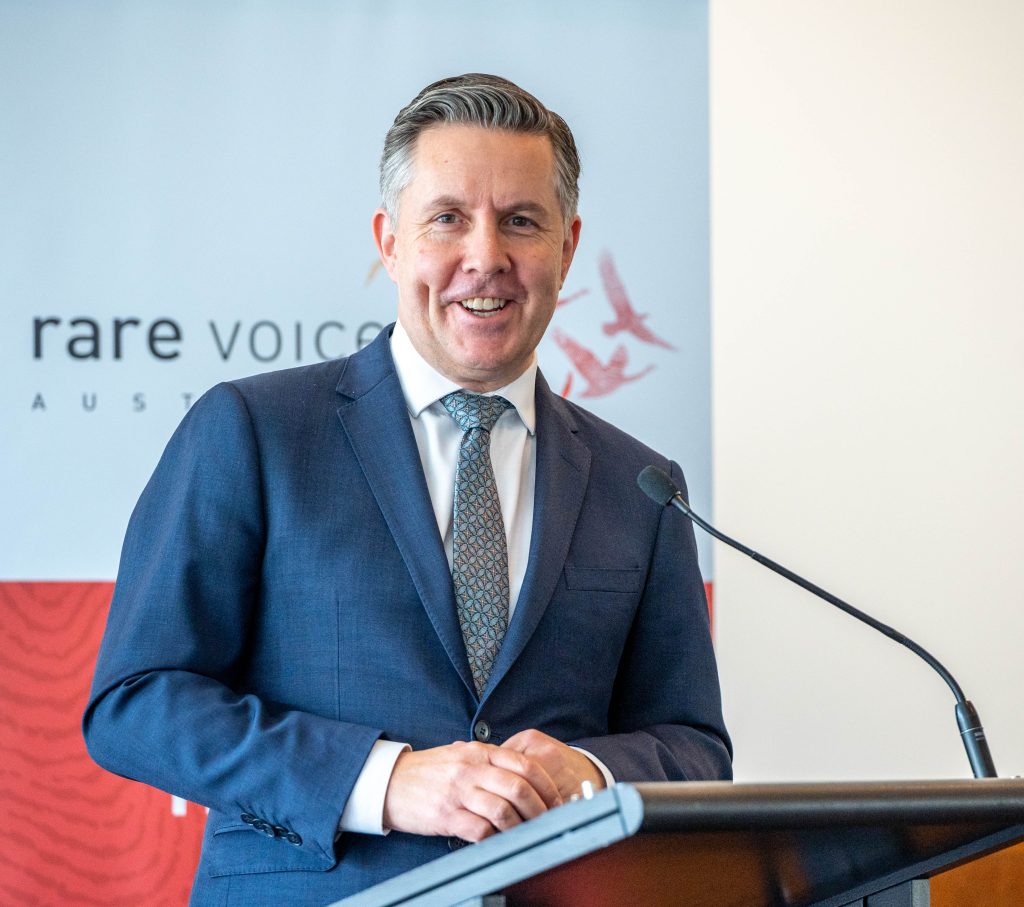
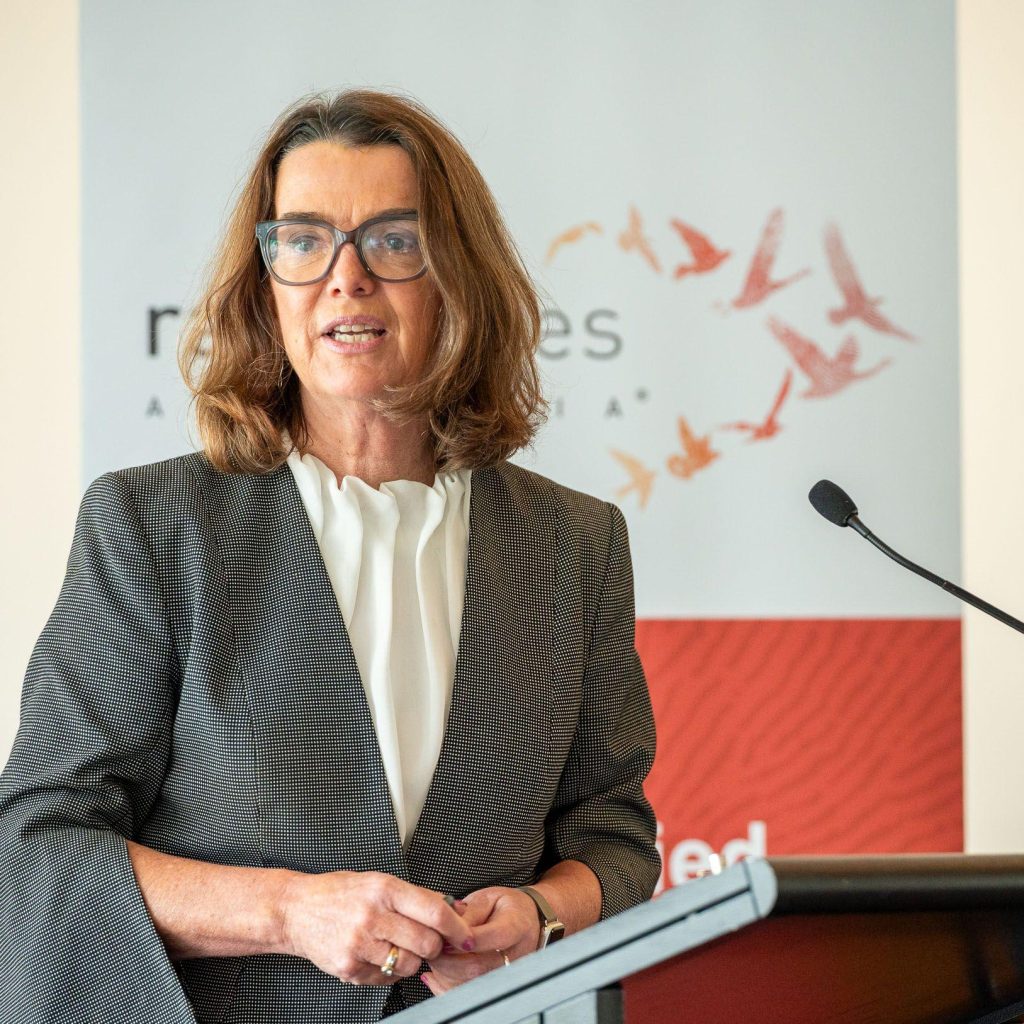
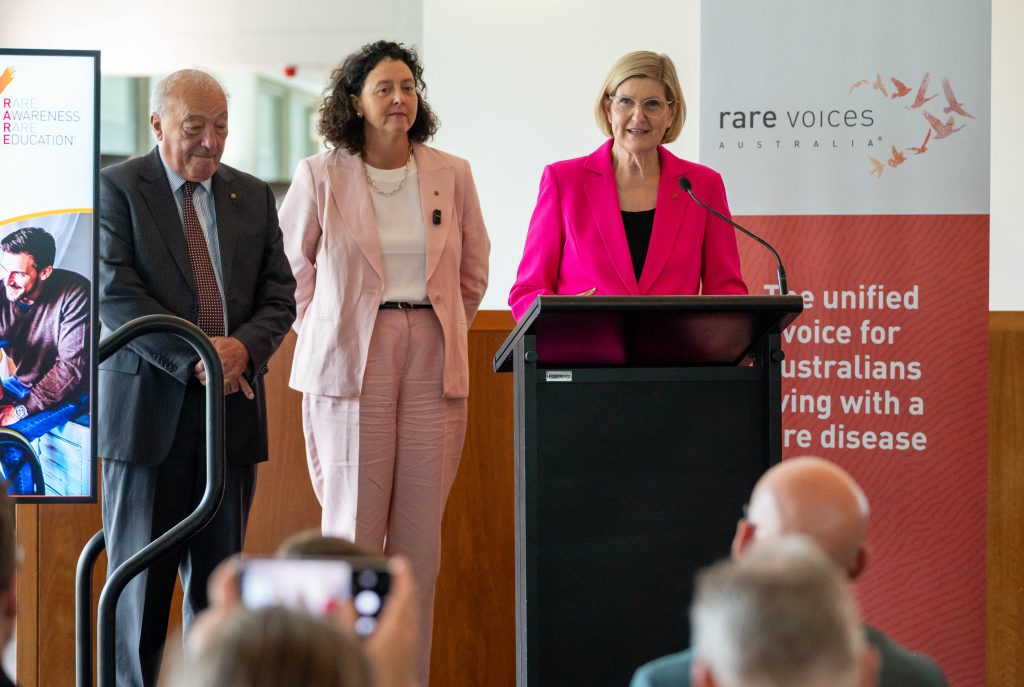
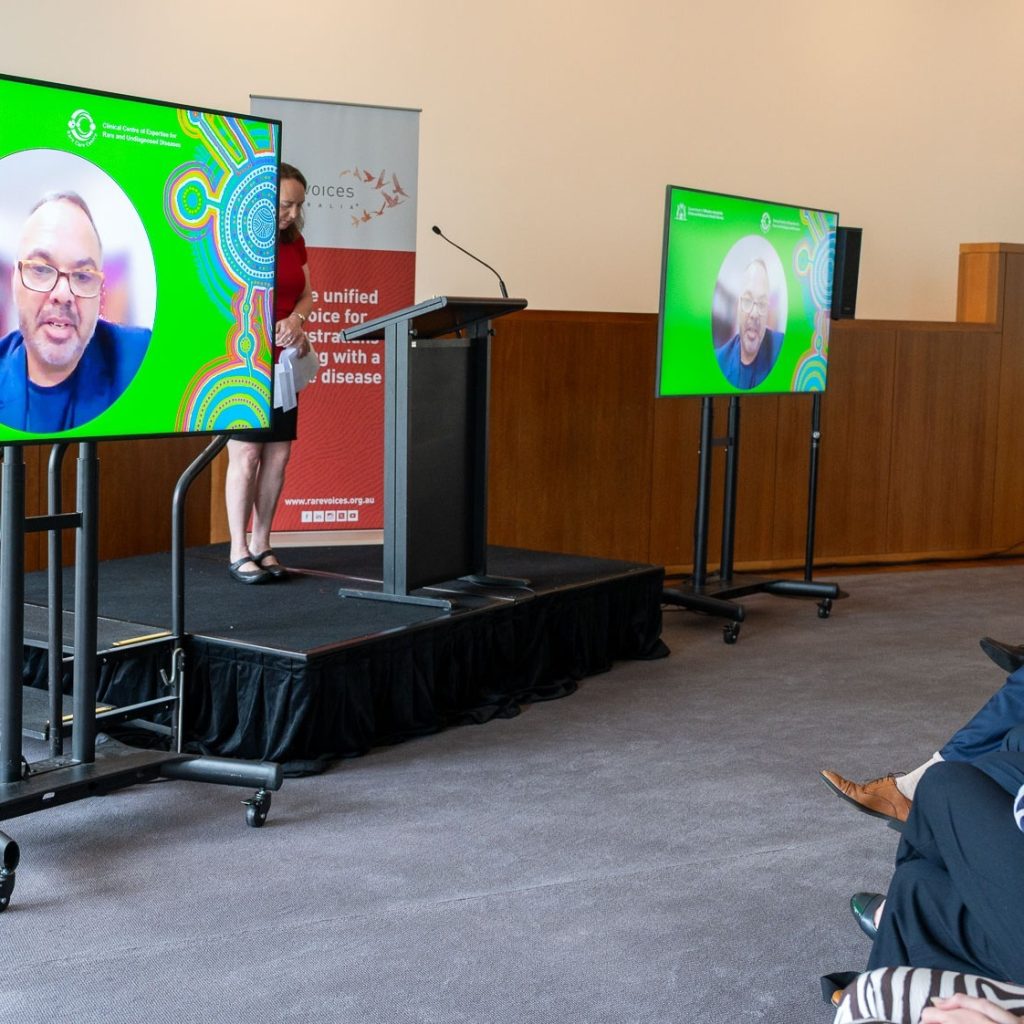
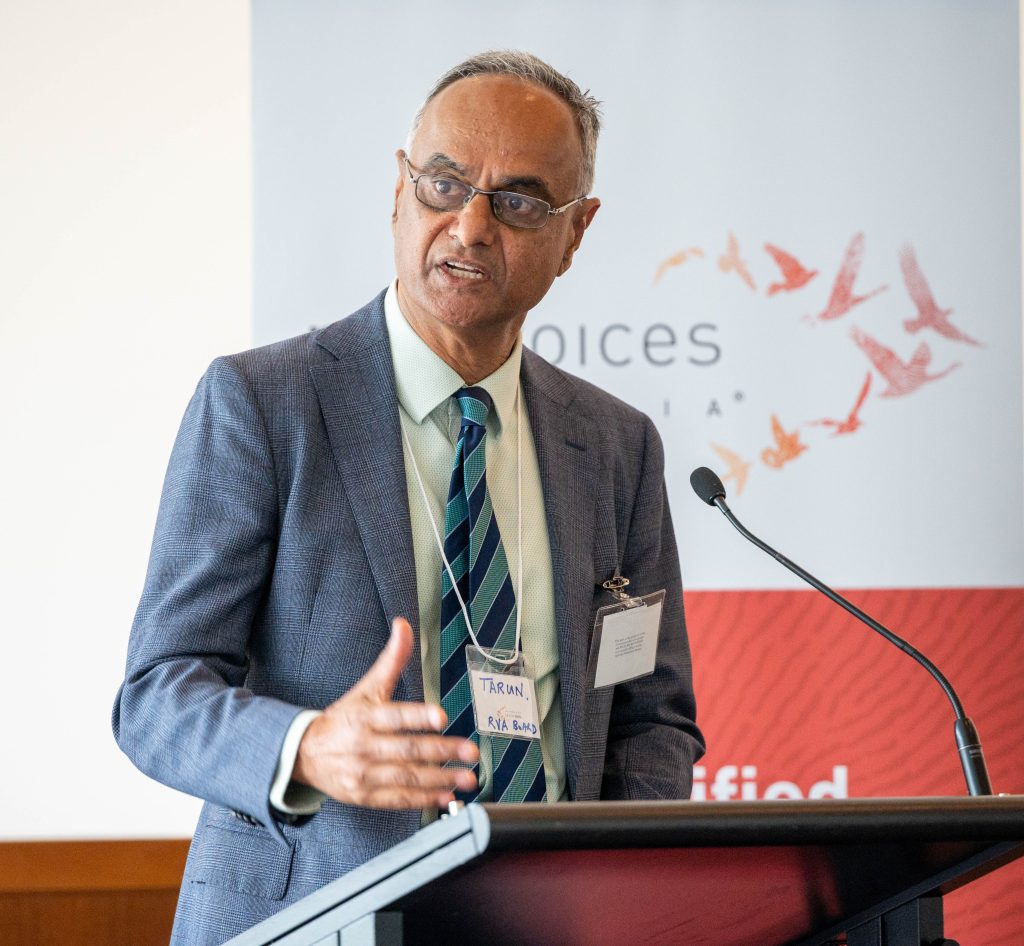
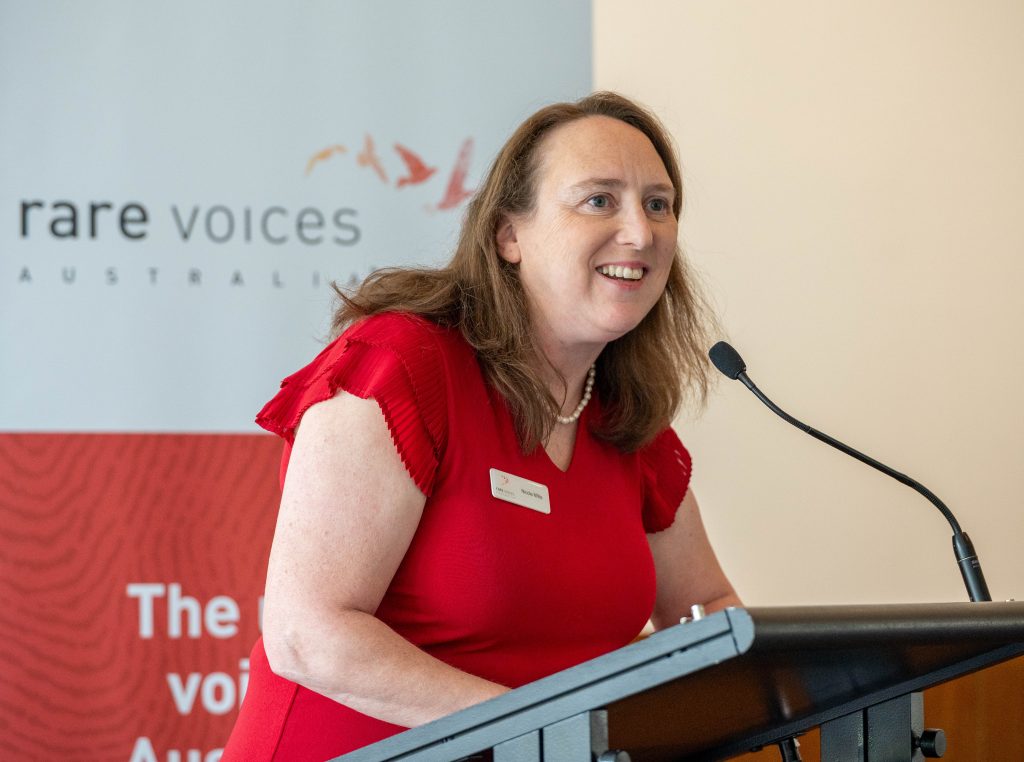
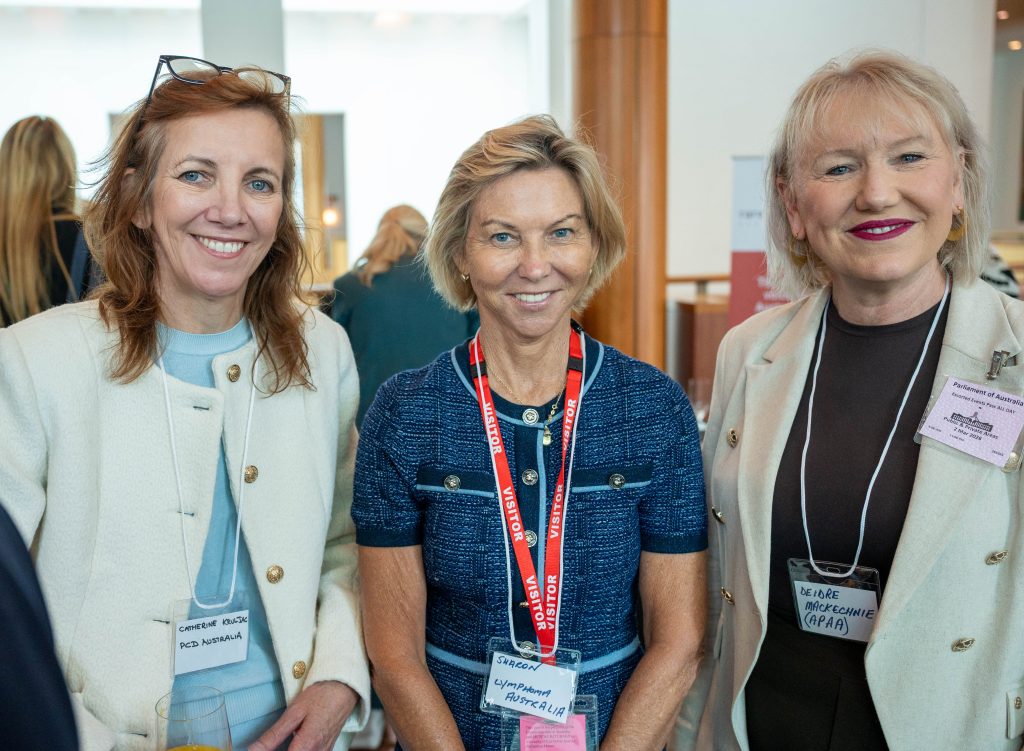
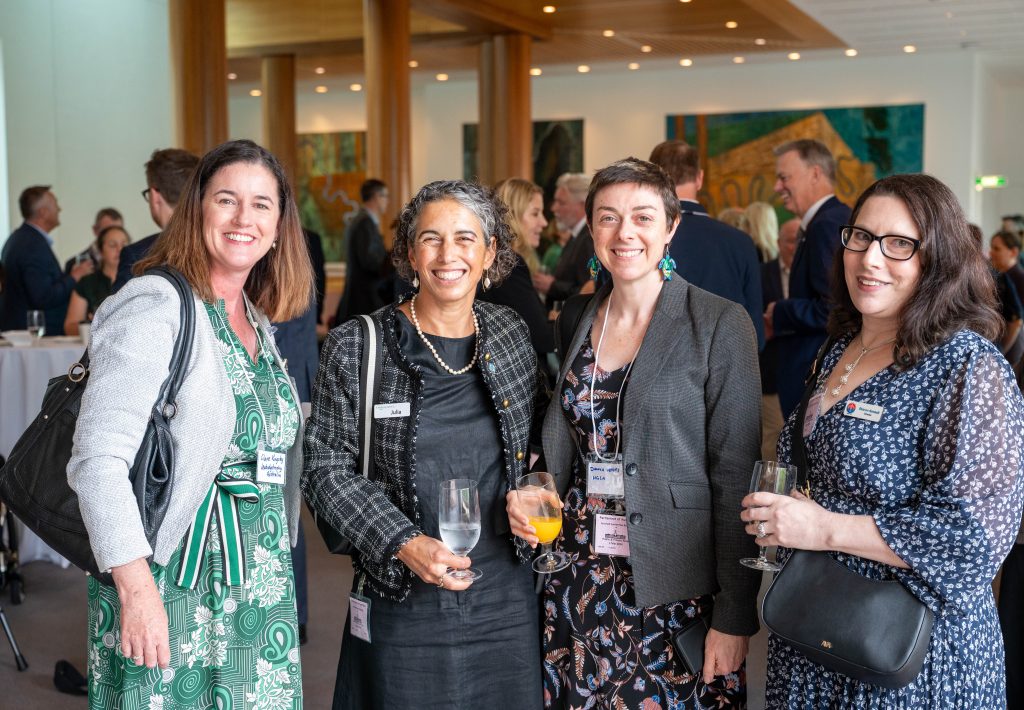
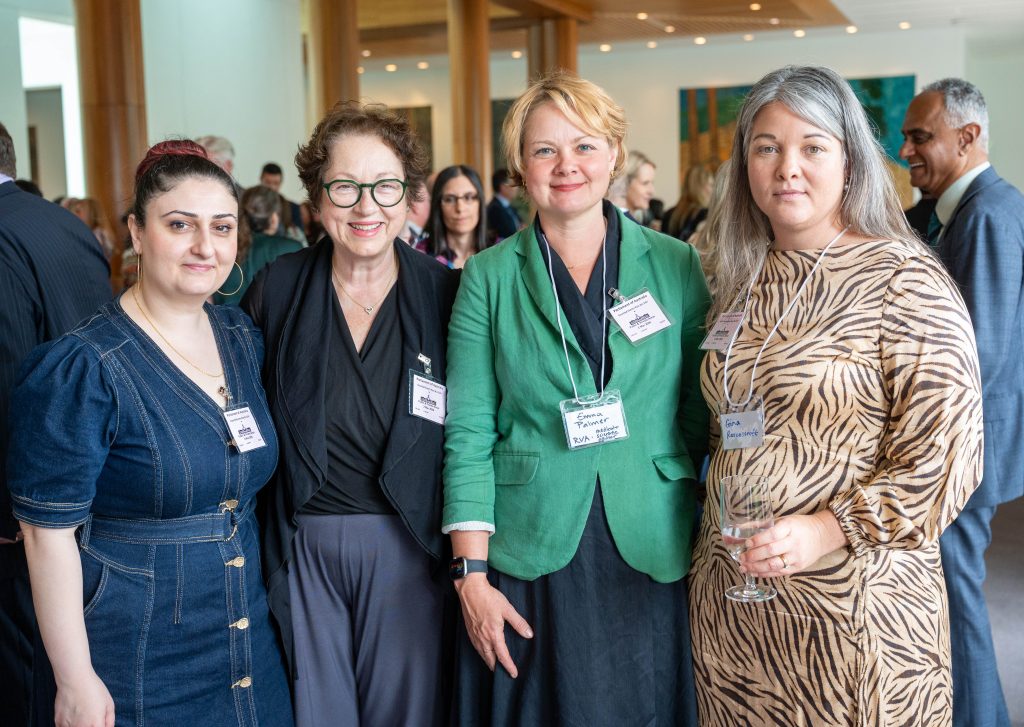
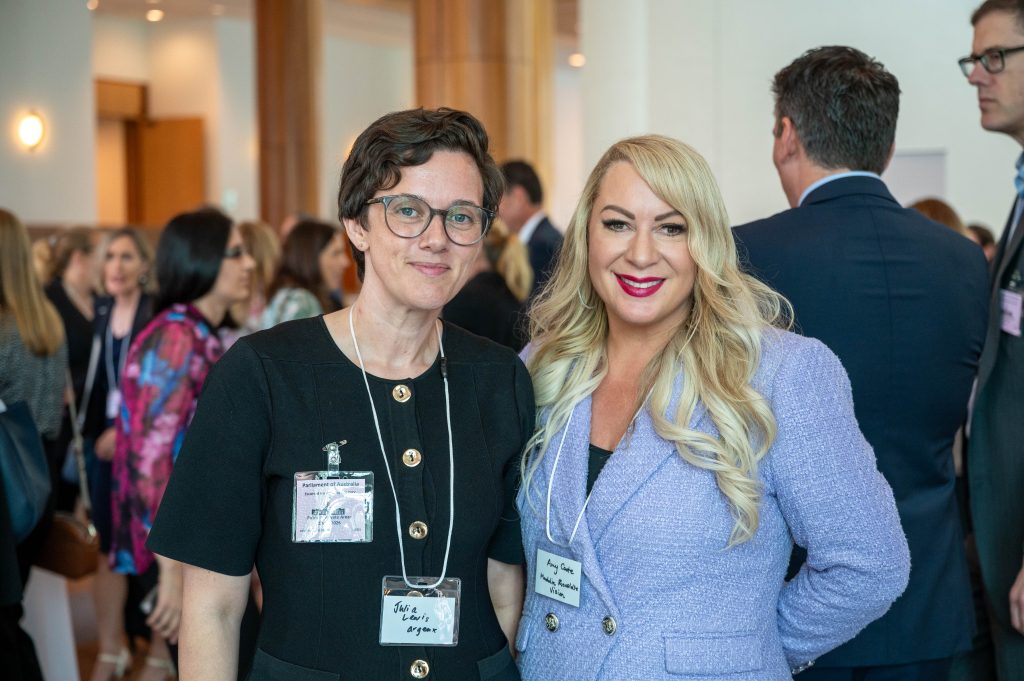
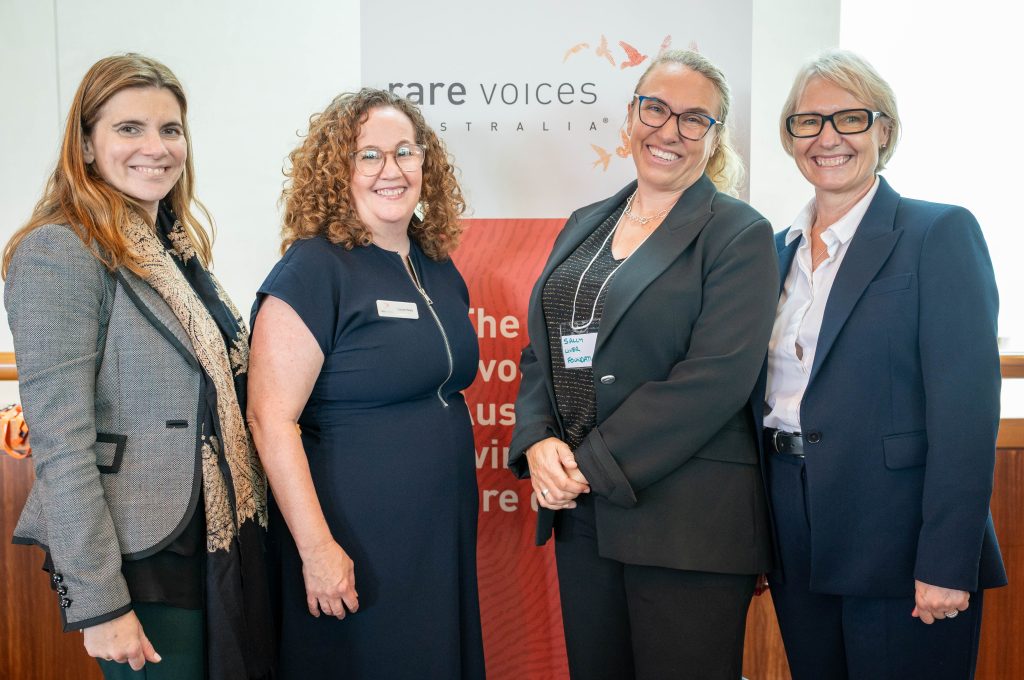
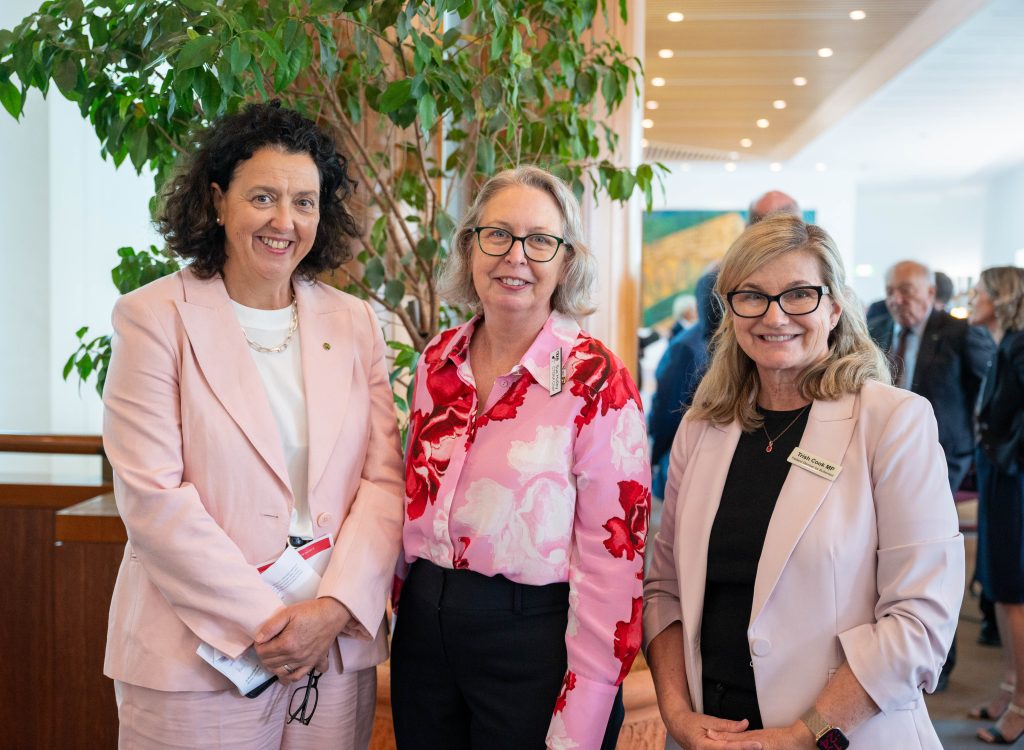
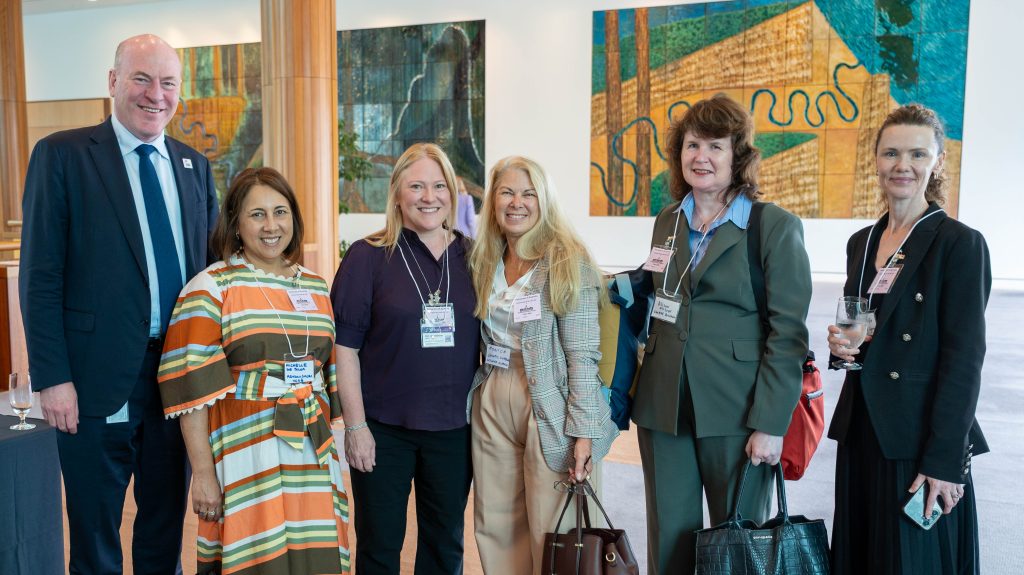
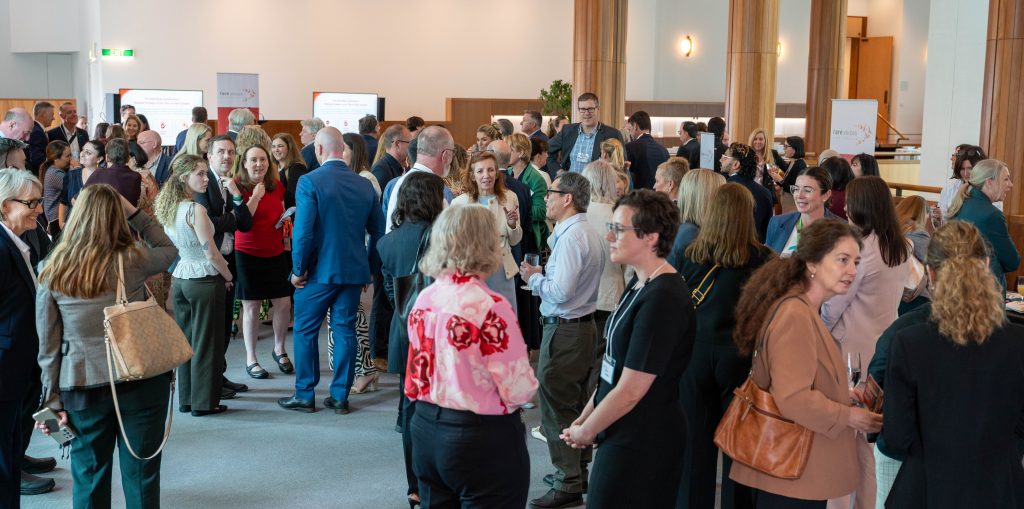
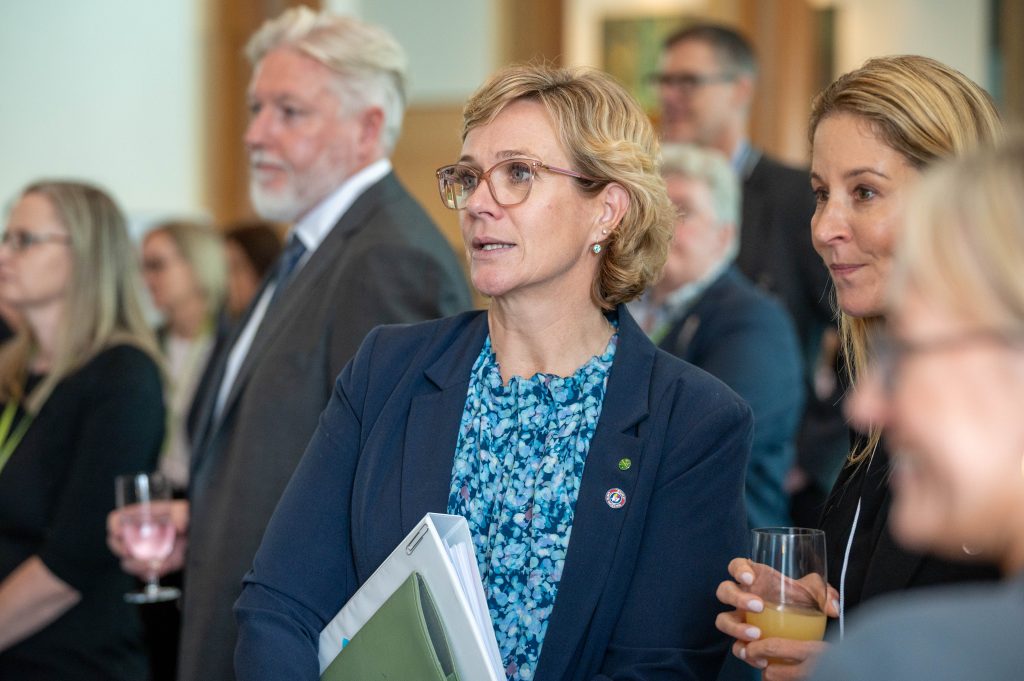
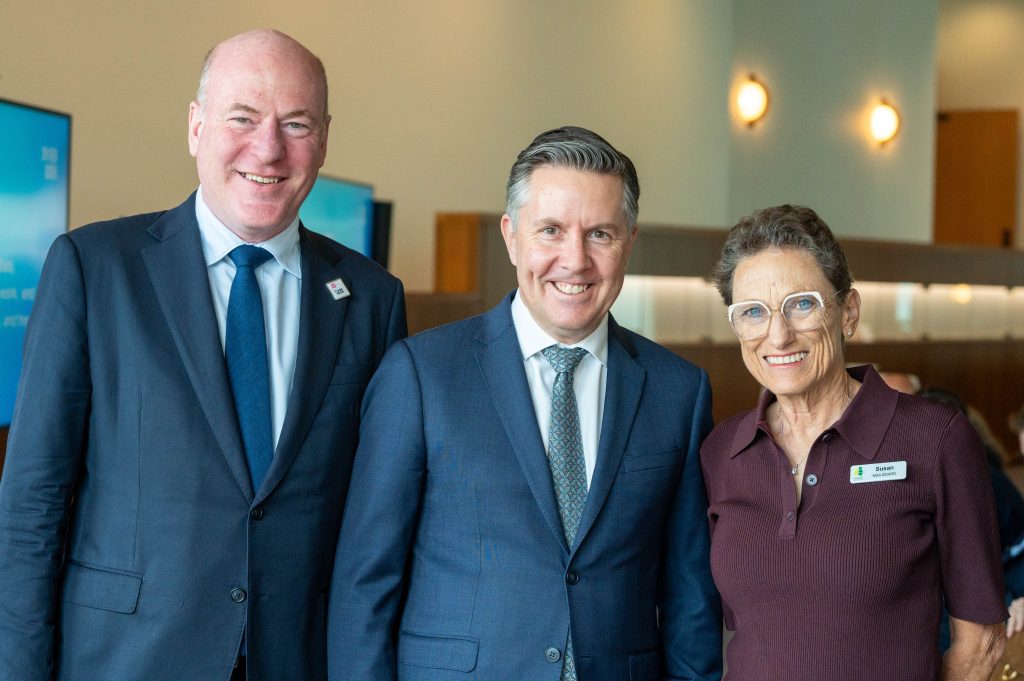
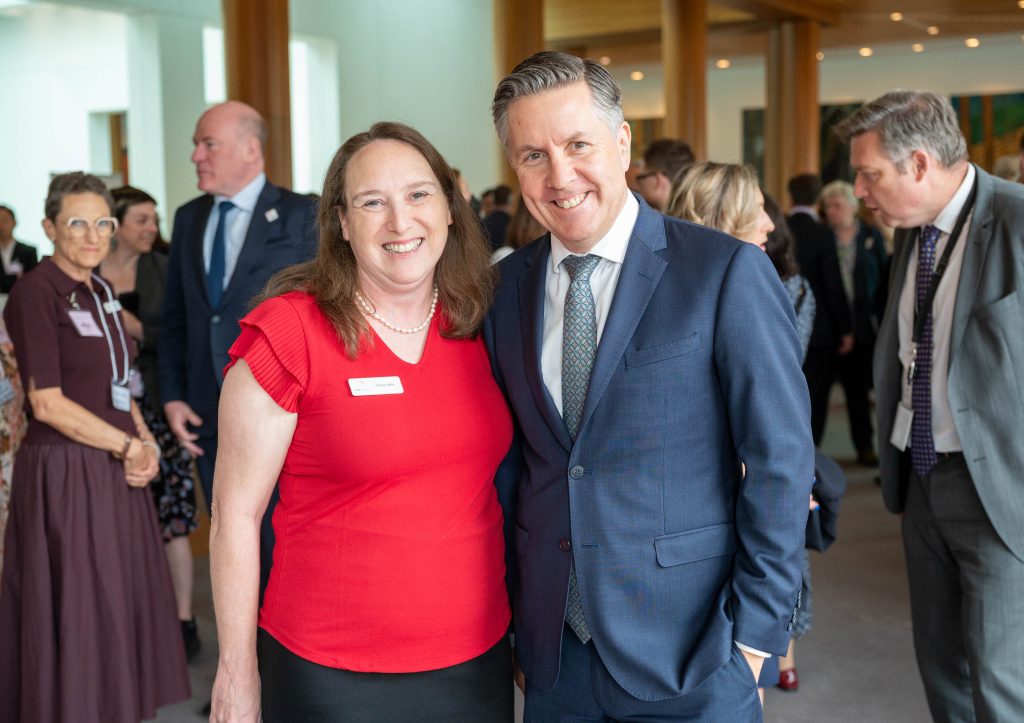
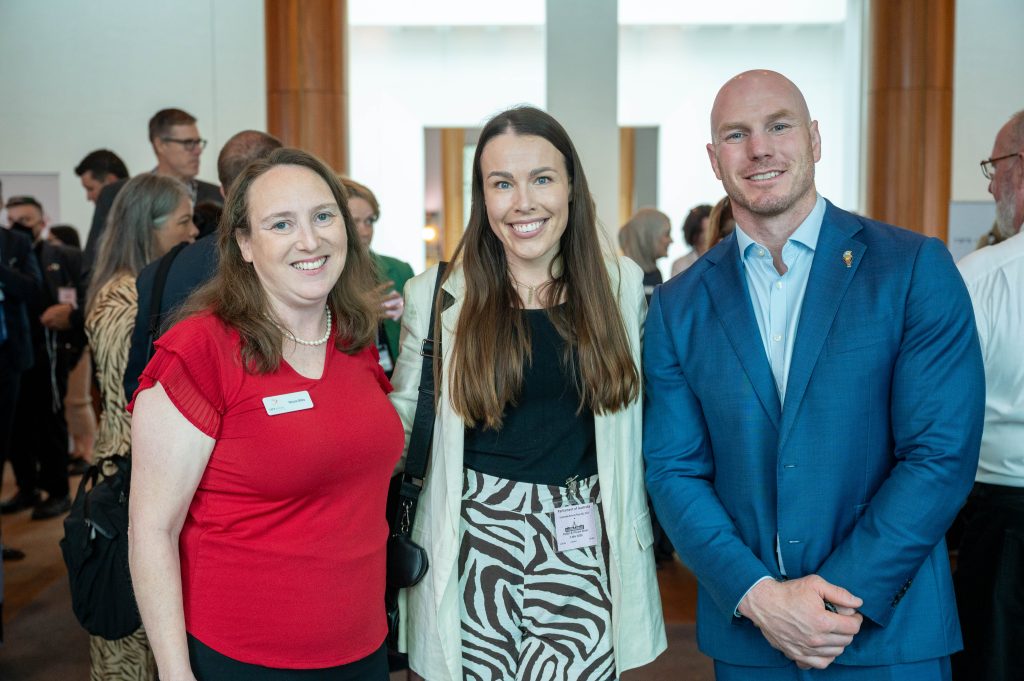
Thank you to everyone who attended Rare Voices Australia’s (RVA) Rare Disease Day Parliamentary Event on 2 March 2026. Hosted by the Parliamentary Friends of Australians Living with a Rare Disease, a key aim of Rare Disease Day is to raise awareness among policymakers. The event theme was Equity for People Living with a Rare Disease, which provided the perfect opportunity to launch the first round of resources for the nationally codesigned Rare Disease Disability Toolkit, which is available at RVA’s website.
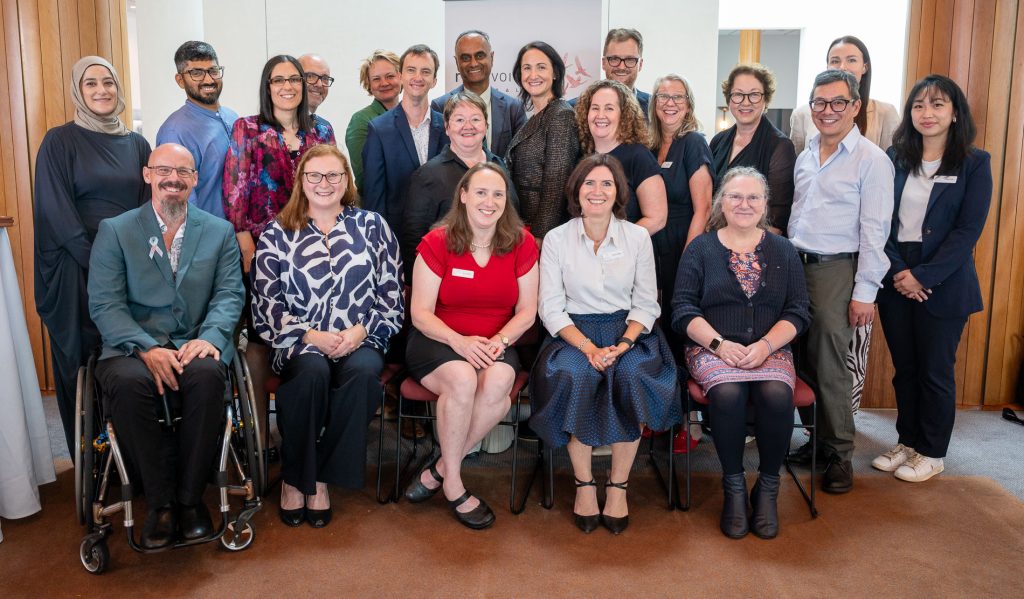
Over 100 guests, including people living with a rare disease, RVA Ambassadors, governments, key peak bodies, researchers, clinicians and industry attended, making the event one of RVA’s largest-ever Parliamentary Events. Having such a diverse range of stakeholders in attendance is testament to the momentum gained by the rare disease sector. This strong diversity is especially important as the collaborative implementation of the Australian Government’s National Strategic Action Plan for Rare Diseases (the Action Plan) continues.
Acknowledgements
RVA thanks the parliamentarians who joined us, including the following speakers:
Hon Mark Butler MP, Minister for Health and Ageing and Minister for Disability and the National Disability Insurance Scheme
Senator the Hon Anne Ruston, Shadow Minister for Health and Aged Care
Senator Wendy Askew, Co-Chair, Parliamentary Friends of Australians Living with a Rare Disease
Dr Mike Freelander MP, Co-Chair, Parliamentary Friends of Australians Living with a Rare Disease
Dr Monique Ryan MP, Co-Chair, Parliamentary Friends of Australians Living with a Rare Disease
RVA also thanks our Chair, Dr Tarun Weeramanthri AM, and Medical Director of the Rare Care Centre and RVA Scientific and Medical Advisory Committee member, Clin/Prof Gareth Baynam, for speaking.
Special thanks to the RVA Ambassadors who joined us— Andrew, Diane, Archie, Lucy, Lauren and Ryan—and RVA Partner group/organisation representatives. We understand travelling to Canberra isn’t always easy, but your efforts make all the difference.
Additionally, thank you to the RVA Directors and Scientific and Medical Advisory Committee members who joined us.
The Importance of Federal Parliamentary Events
Parliamentary Events enable stakeholders to meet and speak with parliamentarians to further highlight rare diseases. Enabling politicians to gain a better understanding and awareness about rare diseases is vital as Action Plan implementation continues.
‘Equity for People Living with a Rare Disease’
Equity for people living with a rare disease continues to be a key focus of the global Rare Disease Day initiative.For people living with a rare disease, equity means having social opportunities, non-discrimination in education and work, and fair access to health, social care, diagnosis and treatment.
The Rare Disease Day Parliamentary Event was the perfect opportunity to showcase progress made to date, while highlighting the work still required across key areas that support equity for Australians living with a rare disease, including:
Rare Disease Centres of Expertise.
The launch of the first round of resources for the nationally codesigned Rare Disease Disability Toolkit.
Health technology assessment (HTA) reform.
About Rare Disease Day
Held annually on the last day of February, Rare Disease Day is the globally coordinated movement for rare diseases, working towards equity in social opportunity, healthcare, and access to diagnosis for people living with a rare disease. Locally, Rare Disease Day is an opportunity to raise awareness and inform policymakers about the issues faced by the Australian rare disease community, with the aim being to achieve the best outcomes for Australians living with a rare disease.
Below are the updates for the Rare Disease Disability Project for February 2026.
Rare Disease Disability Toolkit
The first round of resources for the nationally co-designed Rare Disease Disability Toolkit (the Toolkit) will be launched at the Rare Disease Day Federal Parliamentary Event in Canberra on 2 March 2026. The resources will be available on a dedicated webpage for the Toolkit at RVA’s website.
Stakeholder Reference Group
In February, Stakeholder Reference Group (SRG) members continued contributing to the Toolkit resources.
Rare Voices Australia Partner Project Grants
RVA Partner Project Grants continue to progress. Please see RVA’s website for the latest updates.
Virtual Kitchen Table Peer Support Sessions
The next virtual kitchen table peer support sessions will be held on Wednesday,11 March 2026.
These sessions are open to people:
Living with rare disease disability.
Caring for someone living with rare disease disability.
Who are not in a formal role in any RVA Partner group/organisation*.
The sessions are especially helpful for people living with rare disease disability and caregivers who:
Are looking for community, understanding, and support.
May not have or are still looking for a condition-specific support group.
Are newly diagnosed or navigating new challenges.
One session will be held for people living with rare disease disability and a separate session will be held for caregivers of people living with rare disease disability.
The topic for these sessions is, Preparing for natural disasters and emergencies with rare disease disability.
Come and share any hints and tips, ideas and learn from others and connect through this peer support session. Learn more about the Virtual Kitchen Table Peer Support Sessions at RVA’s website.
*Note: If you are an RVA Partner representative, you are welcome to join the Rare Disease Disability Network instead. Email RVA to join: [email protected]
Below are the updates for the Rare Disease Disability Project for January 2026.
Virtual Kitchen Table Peer Support Sessions
The next Virtual Kitchen Table Peer Support Sessions will be held on Wednesday,11 March 2026. These sessions are open to people:
Living with rare disease disability.
Caring for others living with rare disease disability.
Who don’t have a formal role in any RVA Partner group/organisation*.
One session will be held for people living with rare disease disability and a separate session will be held for caregivers of people living with rare disease disability.
The topic for these sessions is, Preparing for natural disasters and emergencies with rare disease disability.
Come and share any hints and tips, ideas and learn from others and connect through this peer support session. Learn more about the Virtual Kitchen Table Peer Support Sessions at RVA’s website.
*Note: If you are an RVA Partner representative, you are welcome to join the Rare Disease Disability Network instead. Email RVA to join: [email protected]
In 2024 and 2025, Rare Voices Australia (RVA) contributed to the review of the 2016 Statement on Consumer and Community Involvement in Health and Medical Research (the 2016 Consumer Statement). The review was led by the National Health and Medical Research Council (NHMRC) in partnership with the Consumers Health Forum of Australia (CHF). Additional information about the review process is available on the NHMRC’s website.
In June 2025, following extensive consultation with the sector, the NHMRC and CHF released a draft revised Consumer Statement (the draft Statement). During the second half of 2025, stakeholders, including RVA, were invited to provide feedback through multiple channels. These channels included written submissions via a public consultation survey, as well as participation in online and in-person workshops.
RVA is pleased to see key themes from the feedback we provided as the national peak body for Australians living with a rare disease reflected in the Consultation Report, including:
the need to ensure representative consumer involvement to reflect diverse perspectives;
the need for greater accountability for consumer and community involvement in research, including the need for formal reporting on consumer and community involvement (CCI) by funders, researchers and institutions;
the need to provide training and capability-building for both researchers and consumers to ensure effective involvement; and
the importance of active, early and continuous consumer engagement from across the research life cycle.
About Rare Voices Australia’s Involvement
More information about RVA’s contributions throughout the consultation process is available in the following articles on RVA’s website:
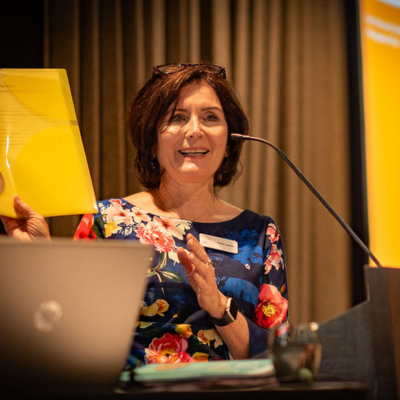
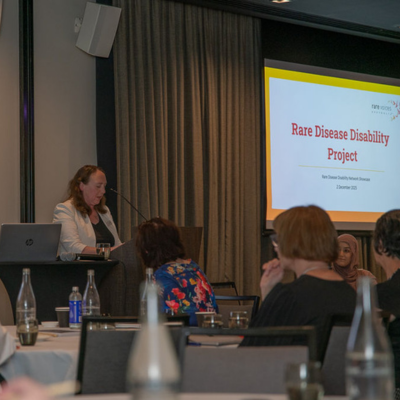
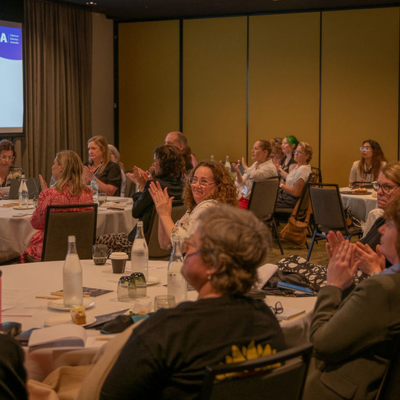
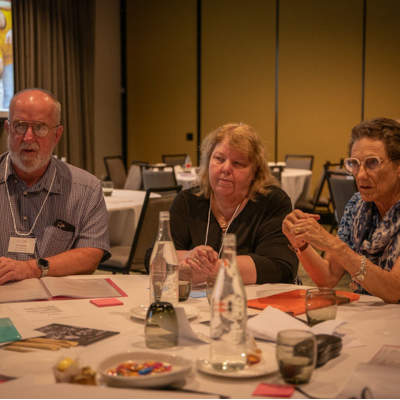
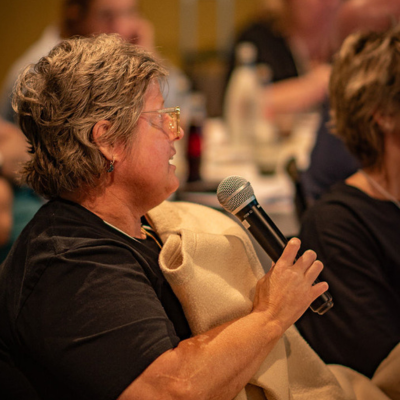
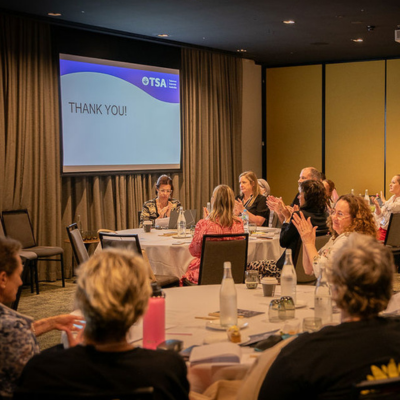
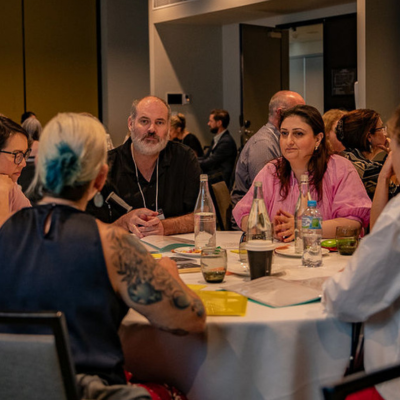
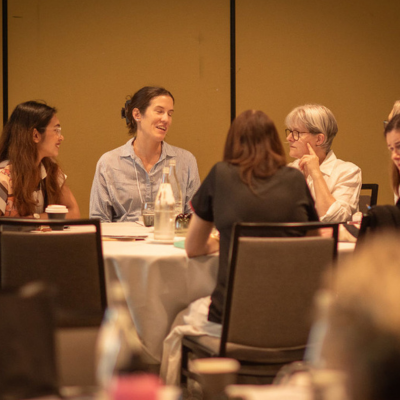
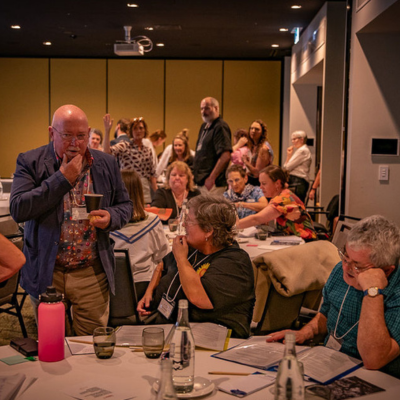
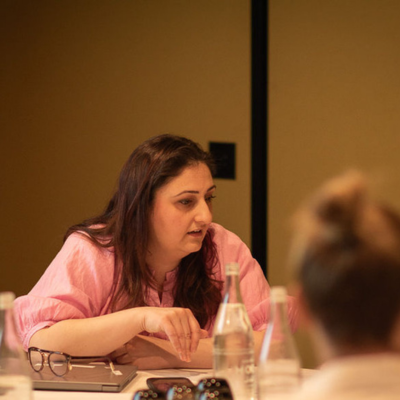
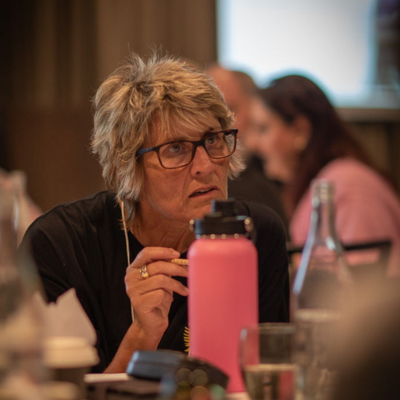
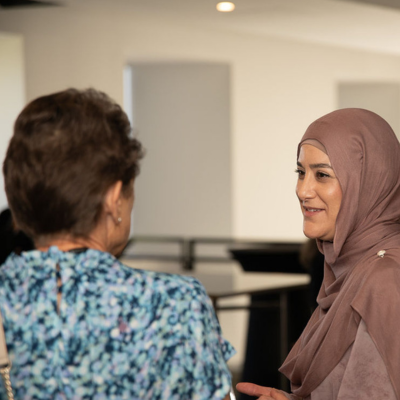
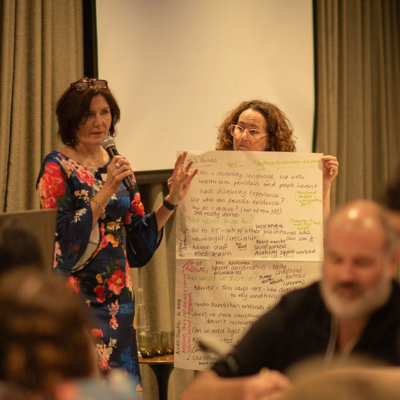
On 2 December 2025, Rare Voices Australia (RVA) facilitated the inaugural Rare Disease Disability Network Showcase (the Showcase) in Brisbane, ahead of the International Day of People with Disability (3 December). This invitation-only event brought together more than 40 leaders from rare disease groups/organisations and other key stakeholders across the sector, including people with lived experience of rare disease disability.
The Showcase was a key component of the Rare Disease Disability Project (the Project). RVA is proudly delivering projects for the Peer Support and Capacity Building grant for the National Disability Insurance Scheme (NDIS). The Showcase marked the first in-person gathering of the Rare Disease Disability Network, which includes leaders from RVA Partner organisations and other invited stakeholders, who met regularly online throughout the year.
Recap of the Day and Acknowledgements
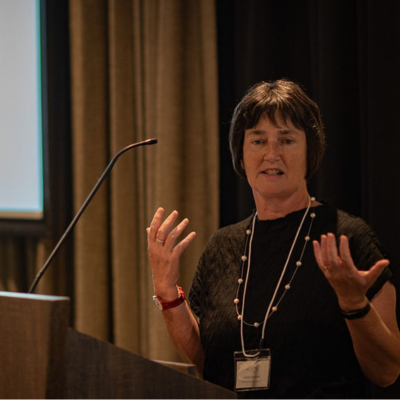
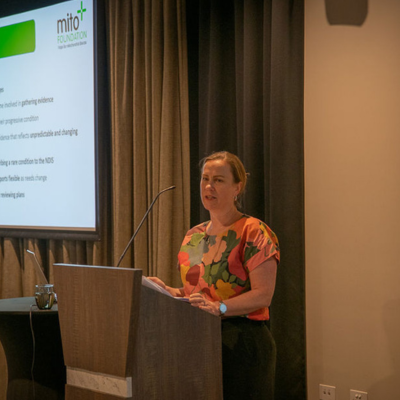
Nicole Millis, RVA’s Chief Executive Officer, opened the Showcase, which featured panel discussions, an engagement activity, and networking opportunities. Attendees provided additional feedback on the first round of resources developed for the nationally codesigned Rare Disease Disability Toolkit (Toolkit) and heard progress updates on projects led by RVA Partners, Tuberous Sclerosis Australia (TSA) and Mito Foundation. We thank TSA and Mito Foundation for sharing their work to date.
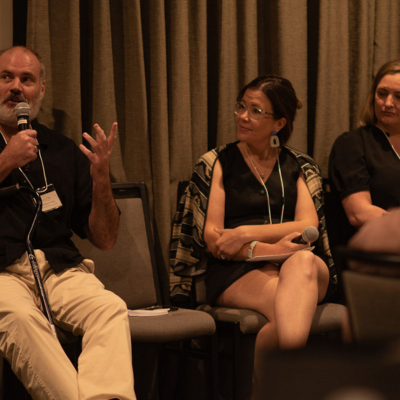
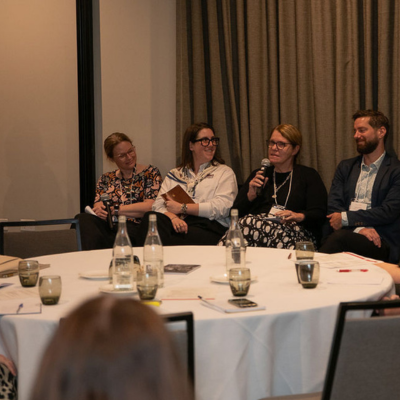
Special thanks to members of the Project’s Stakeholder Reference Group who shared their experiences as part of the opening panel discussion. Panellists reminded attendees why tailored, quality resources developed by the rare disease disability community are essential in meeting the unique and complex needs of people living with rare disease disability. The panel concluded with powerful calls to action for future systemic improvements.
RVA also acknowledges the contributions of those who joined the Multi-Stakeholder Panel, including:
Alexandria Rosenthal, Branch Manager, Engagement & Inclusion, Service Design and Improvement, National Disability Insurance Agency
James Parker, Manager, Disability Health Policy, System Policy Branch, Strategy, Policy and Reform Division, Queensland Health, Queensland Government
Sharon White, Director Strategic Policy (Disability), Department of Families, Seniors, Disability Services and Child Safety, Queensland Government
Associate Professor Honey Heussler, Medical Director, Child and Youth Community Health Services, Consultant Paediatrician Child Development, Children’s Health Queensland
Additionally, RVA thanks all attendees for their participation and engagement. We thank our diverse range of speakers who generously shared their expertise and perspectives. Together, we are transforming this space to ensure equitable access to disability care and support for the estimated two million Australians living with rare disease disability impacts and their families.
What Attendees Said About the Showcase
“It was a privilege to join rare disease leaders, advocacy organisations, and sector partners for this first-ever in-person gathering. The Showcase provided an invaluable opportunity to connect, collaborate, and contribute to the conversation on strengthening supports for people living with rare diseases and disabilities. We extend our sincere thanks to Rare Voices Australia for their leadership… The day was informative, empowering, and a meaningful step toward better outcomes for the rare disease community.” – RVA Partner
“It was great to see all of the hard work going into the Toolkit – congrats!” – Sector stakeholder
“I think we can all agree that the inaugural Rare Disease Disability Network Showcase was a glowing success. I am very grateful I was able to participate in the day and learn so much from all the presenters, panellists, facilitators and participants.” – Government stakeholder
“It was inspiring to see the collective progress made throughout the year. The Showcase provided a valuable opportunity to connect, collaborate and reflect on the work being done to strengthen support, improve systems and elevate the voices of those most impacted.” – RVA Partner
“The day was a fantastic source of information for all who attended, I really do understand what it takes to make a day like this come together and have everyone walk away having gotten a lot from it… it’s no mean feat… hats off to you!” – Government stakeholder
About the Rare Disease Disability Project
As the national peak body for Australians living with a rare disease, RVA is leading the Rare Disease Disability Project (the Project). We are proudly delivering projects for the Peer Support and Capacity Building grant for the NDIS. This exciting, first-of-its kind 2-year Project will conclude in December 2026. The Project is being guided by a Stakeholder Reference Group comprising people with lived experience of rare disease disability and diverse representation from priority populations. The Rare Disease Disability Network, including the Showcase, is a key component of the Project.
Subscribe
Sign up for Rare Voices Australia's monthly newsletter to receive the latest rare disease-related updates