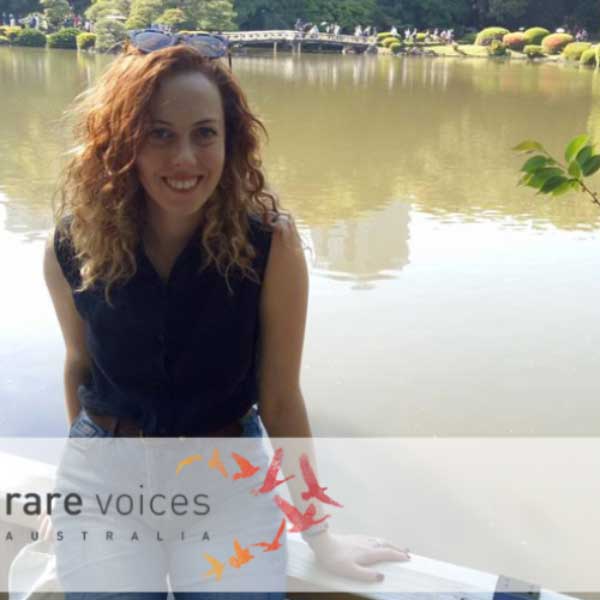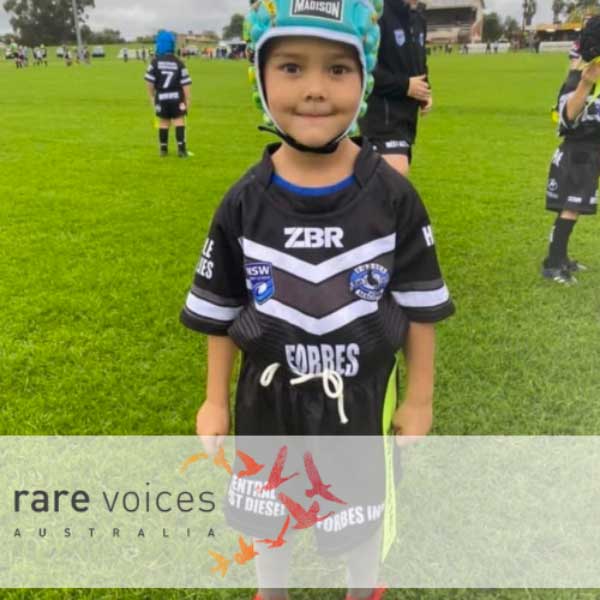
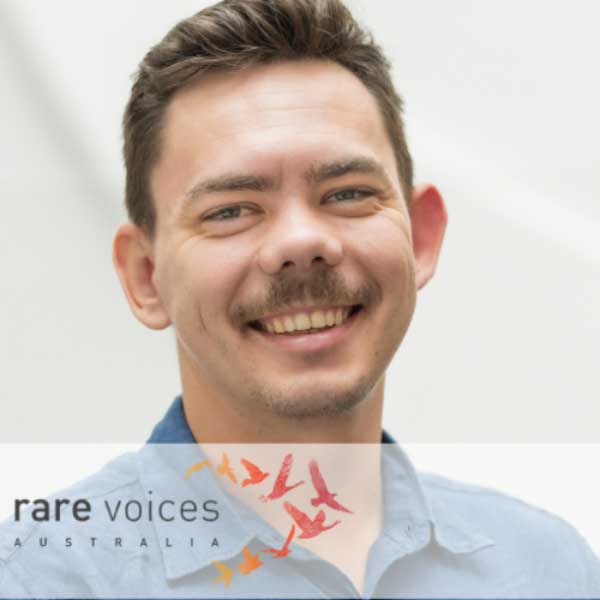
Two of my brothers, Jack and Lachy, and I were diagnosed with Hennekam Syndrome in 2015, a form of primary (congenital) lymphoedema in which our lymphatic vessels are abnormally enlarged. This is a problem because it means they are more likely to leak protein-rich fluid, which would normally be returned to blood circulation. This causes lymphoedema or swelling due to the accumulation of this fluid, often bilaterally in the legs for many cases of primary lymphoedema. A lesser-known symptom of some forms of primary lymphoedema, however, is the poorly structured lymphatic vessels in our intestines, which would usually play a significant role in absorbing fatty acids from food. For people living with Hennekam Syndrome, too much fatty food creates stress on these vessels, causing them to leak, along with the essential nutrients and proteins we should be getting from our food just like everyone else. The medical term for this is Primary Intestinal Lymphangiectasia (PIL) and Protein Losing Enteropathy (PLE). There’s no fix for this besides regularly taking potent multivitamins, having a high protein/low fat diet and consuming medium chain triglycerides (MCTs – a type of fatty acid that is absorbed in a different way, meaning less stress on my tummy).
Growing up in regional Queensland with limited resources, there wasn’t much that could be done. Hennekam Syndrome, among most forms of primary lymphoedema, is extremely rare (a prevalence of <1/100,000). Since we were babies, my brothers and I had a tough time staying healthy and out of hospital. Even throughout schooling, we’d often have to take time off to make a weekend trip to Brisbane to visit specialist after specialist to figure out what was wrong. Our faces were unusually flat, often drawing a few comments. More noticeably, our ankles were always swollen. When we got sick, a simple cold or even the flu, we would take days or even a week off school. We were often so tired and had a lot of after school naps, something we attributed to our energetic days at school. These were just symptoms; we didn’t know back then why we had them.
For me, this was the extent of my symptoms. However, my brothers went through a period of monthly albumin infusions (albumin is a protein in your blood that helps traffic other molecules around). I remember poor Lachy accidently cut his elbow once and because of the low amounts of protein in his body, his injury wouldn’t clot for what seemed like an eternity. As we were young, Mum sourced most of the health information available to us. Mum was always seeking answers to what was happening. In her search, my mum took to the computer and wrote a blog. With a few entries, Mum reported some of the more important daily challenges, specialist visits and pieces of information she learned along the way. At the time, this was one of the few accessible information pages on the internet for Hennekam Syndrome.
A milestone in my story took place in 2014 when I went on a tertiary trip through South East Queensland to visit potential universities. As a result of her blog, my mother made contact with a researcher at the Institute for Molecular Biosciences at the University of Queensland (UQ) in Brisbane. Associate Professor Ben Hogan was about four years into running his own lab, which focused on understanding mechanisms regulating lymphatic development – in zebrafish. Back then, I didn’t even know fish had lymphatics, let alone that these fish had been used to understand an incredibly conserved signalling pathway that is essential for lymphatic development across many species (including us).
I told Ben I was coming to tour UQ and that I had some spare time to meet him. He was pretty excited. Ben took me through his lab’s work on identifying some key genes that are essential to this pathway in fish, particularly the gene CCBE1. Ben showed me the lab, and I remember the first fish he showed me under the fluorescent microscope. The fish had red glowing lines throughout, labelling the lymphatic vessels. I’d like to say I understood everything I had seen, but it wasn’t until a year later that I could begin to process the scientific side of what Ben showed me. Ben and I kept in contact every now and again from this point on.
Moving away from home to Brisbane was tough. I had to learn how to do all those adult things (budgeting, rent, bills etc.). I struggled most with trying to manage studying with how exhausted I was all the time. I would often risk a nap on the train to and from uni each day, just to stay up all night to study (or try to). I would burn out a lot. I didn’t really go to the doctors because I wasn’t sure what I needed. I didn’t know how important taking vitamins and eating properly was. Long story short, I didn’t know I was malnourishing myself through being unaware. When I did go to the doctors, I couldn’t provide the best information to help them connect the dots. I didn’t know what to tell them in a 15-minute consultation, other than what was bothering me at the time. I got through it though.
In 2015, during my first year of undergraduate studies at UQ, I had to trek back home for an important appointment with my family. Once I was home, we saw Associate Professor Julie McGaughran (oddly enough we both came from Brisbane). She told us genetic testing revealed my brothers and I inherited two mutations in a gene, CCBE1, and would officially be diagnosed with Hennekam Syndrome. As it turns out, in 2010, Ben had found that mutations in this gene in fish cause severe lymphatic defects. In fact, Ben’s team had worked with Julie to model our mutation in fish to reveal its pathogenic nature in a 2016 case report. This was one of the first times I remember asking myself the question, why does a simple error in one gene cause such dramatic consequences? With this information, it was a lot easier to take care of myself.
Though I still didn’t understand a lot of it, I knew maybe fast food isn’t best eaten regularly and there’s a reason for my vitamins. These small changes helped me manage the last of my undergraduate years. That said, there wasn’t anyone I could really talk to about living with lymphoedema, except for my brothers and mother when I went home every so often. Even in the relatively big city of Brisbane, there wasn’t anything or anyone I could talk to or learn from about my rare disease. I had made the switch in my undergraduate major soon after my diagnosis from chemistry to biochemistry and molecular biology. This turned out to be the right call because my last subject was Introduction to Research, a summer course I had to do with a lab. Ben was happy to take me on for this last course.
I joined the Hogan lab for the summer over 2018/19 where I was supervised by Dr Kazuhide Okuda. Our aim was to try to uncover how a protein (ADAMTS3) could process another signalling protein (VEGFC) in lymphatic development (a process thought to be mediated by CCBE1). It was so cool to be researching something so personal. We also performed a small screen to identify drugs that could potentially restore lymphatic development in the fish that didn’t have VEGFC, another genetic mutant which couldn’t develop lymphatics. As with most three-month summer projects, this was ultimately fruitless. This experience was truly an introduction to research.
For my honour’s year, I stepped out of the lymphatic field and worked in Dr Emma Gordon’s lab at the Institute for Molecular Bioscience. I especially appreciated this year because it diversified how I thought of the clinical translation of basic science and helped me realise that I am a scientist, not just a patient. Using cell culture and mice retinas, I aimed to understand how an important regulatory protein, c-Src, influenced how the cells in blood vessels adhere to each other. This was an important biological question that could provide insight into therapeutic strategies for retinal disease. I am immensely grateful for the skills I developed during this year as they prepared me for my PhD.
Where I am now
I am a third year PhD candidate in Ben’s lab, which is now located at Peter MacCallum Cancer Centre in Melbourne. My lab project is of course driven by my personal ambitions, however, now I am armed with what I’ve learned over the past few years. My official aim is to understand how we can use VEGFC (again, a part of that essential signalling axis) to regenerate zebrafish lymphatic vessels in various contexts, not just in the situation of impaired development (such as the CCBE1 fish).
My work will hopefully one day help reveal how the cells that make up lymphatic vessels can respond to VEGFC and repair lymphatic injuries and abnormalities. Understanding this would not only benefit the rare population suffering from primary lymphoedema, but it would also help the many patients who have secondary lymphoedema, caused by lymph node resection or radiation in cancer therapy (1 in 1000 people have this form of lymphoedema). Approximately 20% of breast cancer survivors will develop this form of lymphoedema and it can be quite debilitating if not addressed. Currently, what we can do for patients with lymphoedema is very limited and in no way curative. Hopefully, one day, my research—or research that will come from it—will be able to address lymphoedema and answer the question: how can we rebuild something when it wasn’t built properly in the first place?